AI-Powered Predictive Analytics in Cardiovascular Risk Assessment
The Use of Predictive AI in Cardiovascular Risk Assessment
AI is undeniably growing in usage, and there are many ways in which it is reshaping the world for the better. In the field of cardiology, AI is being used to save lives. Because cardiovascular disease is the number one cause of death globally, this usage of AI is both exciting and important. So, how is AI being used to combat cardiovascular disease and make care more accessible? Further, how will doctors use predictive AI without compromising patient care and privacy?
What is AI Powered Predictive Analytics in Vascular Health and Cardiology?
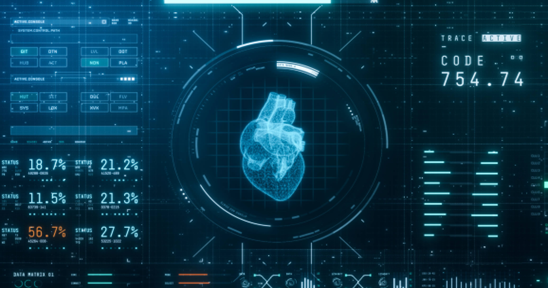
One of the most advantageous uses of AI in cardiology is in predictive technology. AI can be programmed to analyze electrocardiograms, electronic health records, and imaging scans to assess a patient’s risk for cardiovascular diseases. Patterns associated with atrial fibrillation, coronary artery disease, and heart failure can be detected by machine learning (ML) models, with AI in some studies demonstrating high diagnostic accuracy that can complement the expertise of cardiologists. Through the use of these technologies, doctors will be able to intervene earlier, and this can reduce the risk of severe disease with dangerous complications.
How AI Improves Cardiovascular Risk Detection: Machine Learning in Heart Screening
Through machine learning, artificial intelligence allows computers to continually improve their accuracy and performance. Currently, our methods of detecting cardiovascular risk rely on tests that must be performed and analyzed by specialists, and are not necessarily available in remote areas. What’s more, although these tests are fairly accurate, they’re not always perfectly reliable. AI can help process health data, in larger amounts than humans can, which makes for more accurate pattern detection. As machine learning continues to evolve, the precision will get even better. It is important for doctors to understand why AI is making the predictions, and to work to utilize this technology in their real-world cases.
Benefits and Challenges of AI Based Heart Disease Detection
Understandably, there is some anxiety around the use of artificial intelligence, especially in the medical fields. Certainly, as AI continues to progress, researchers, scientists, and physicians will all need to look at the ethical implications, as well as the regulatory challenges. However, it is important to remember that AI does not replace doctors. It is simply another tool that they can use, to help them process information more quickly and efficiently. This is beneficial, because it gives the doctors more time with their patients, rather than tying them up with complicated data. There is also the challenge of algorithmic bias, because AI models can only process the information they are fed. Relying on their training data, AI models may inadvertently create algorithms that result in healthcare disparities. This underscores the need for human oversight, and we must ensure diversity in training data, as well as continuous monitoring of AI-generated information.
Future Outlook: Artificial Intelligence Vascular Diagnostics and Cardiovascular Care
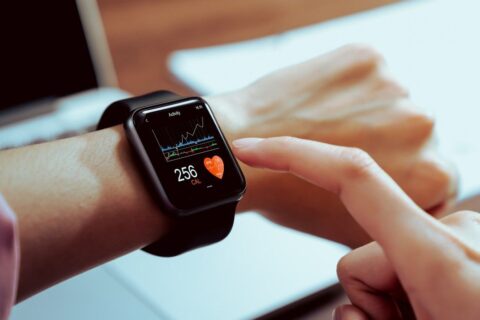
As we move into the future, AI will undoubtedly be utilized even more in the cardiovascular field. The goal is for innovations in AI to help doctors treat patients with personalized, precise, and effective care. Remote monitoring and telemedicine will help physicians bring quality care to remote areas, and AI tools and technology will become more accessible. In fact, in the future, AI will be integrated more fully into wearable technology, which could be a lifesaving innovation. This will empower patients to actively monitor and manage their own health, and will give their doctors real life insights, so that they don’t have to rely solely on data collected in a clinical setting. As the use of AI progresses, there must be a focus on security and privacy, and through the collaboration of data scientists, clinicians, engineers, and ethicists, it will be possible to safeguard personal data and overcome other challenges to successfully integrate AI into cardiovascular care.
ReVaMP Heart and Vascular Institute Offers Advanced Options like Smart Medical Imaging AI
At ReVaMP Heart and Vascular Institute we pride ourselves on offering advanced care options, and we’re excited about stepping into the future with the help of AI. Our dedicated physicians specialize in treating a wide range of cardiovascular conditions, with leading-edge technologies, innovative procedures, and a patient-centered approach. Since 2021, we have been serving patients within the Philadelphia and Southern NJ regions, treating a wide range of cardiovascular conditions, with a focus on preventative and minimally invasive care. We provide the latest coronary, structural, peripheral arterial, and peripheral interventions, that enhance our patients’ quality of life and renew their health and well-being. Using a tailored approach, we take the time to understand each patient and craft a treatment plan that meets the patient’s unique needs. For more information about our modern, patient-focused cardiovascular care, contact us through our website.
The Science of Smart Wearables for Vascular Health
Cardiovascular disease (CVD) is the leading cause of death globally, so researchers are…

The health risks of a high sugar diet are well-established. Additionally, there is extensive research to indicate that a diet with added sugars…