Structural Heart Disease
Structural Heart Disease
Structural heart disease refers to conditions that affect the structure of the heart, including the heart valves, chambers, walls, muscles, or related structures. Some conditions are present at birth, while others develop over time due to aging, valve degeneration, infection, or other cardiovascular conditions.
At ReVaMP Heart & Vascular Institute, our interventional cardiologists specialize in structural heart disease and advanced, minimally invasive cardiovascular treatments. We evaluate each patient individually to determine the underlying problem, assess its severity, and develop a personalized treatment approach.
Our goal is to identify the right treatment at the right time—whether that means monitoring the condition, managing symptoms with medication, or considering an advanced catheter-based procedure.
What Is Structural Heart Disease?
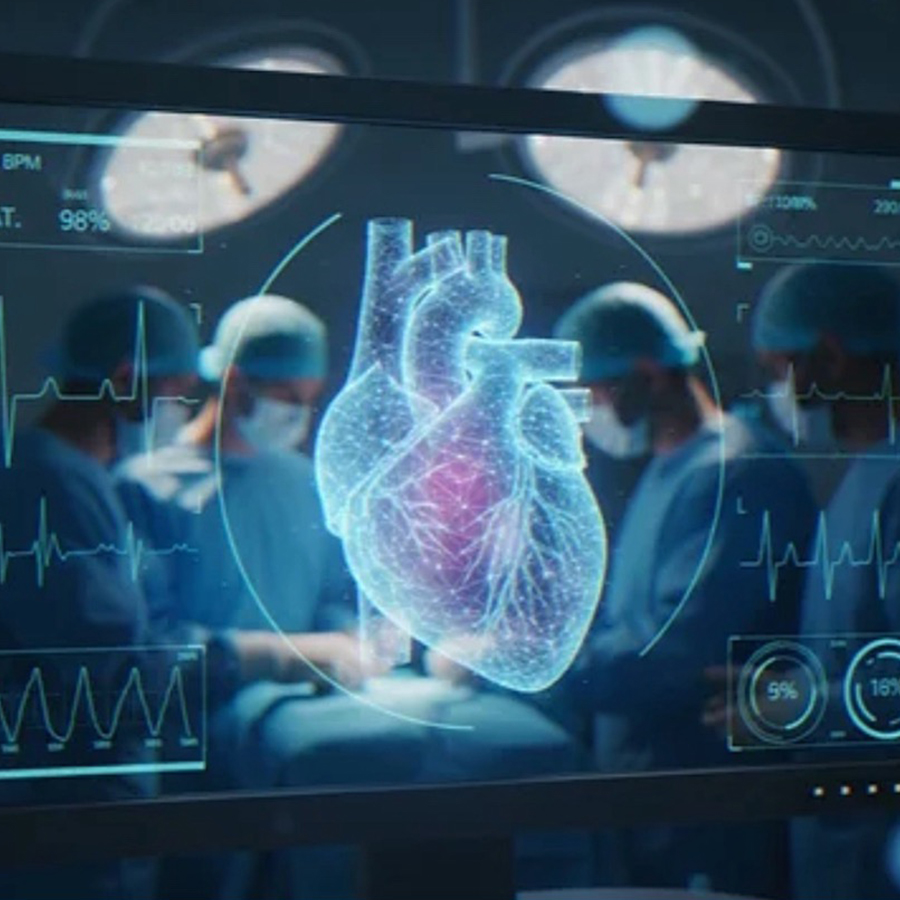
Structural heart disease is a broad term for abnormalities or defects involving the physical structure of the heart. Unlike coronary artery disease, which primarily involves blockages in the arteries supplying the heart, structural heart disease affects how the heart’s valves, chambers, walls, or muscles function.
Structural heart conditions may be congenital, meaning they are present from birth, or acquired, developing later in life. Some conditions cause few or no symptoms initially and may only be discovered during a routine cardiac evaluation.
When structural heart disease progresses, it can interfere with blood flow, place additional strain on the heart, and potentially contribute to heart failure or other cardiovascular complications.
Conditions We Treat
ReVaMP provides specialized care for a range of structural and valvular heart conditions, including:
Aortic stenosis occurs when the aortic valve becomes narrowed, making it harder for the heart to pump blood to the body. Aortic regurgitation occurs when the valve does not close properly, allowing blood to flow backward into the heart.
Mitral regurgitation occurs when the mitral valve does not close completely, allowing blood to leak backward. Mitral valve disease can place additional strain on the heart and may cause symptoms such as shortness of breath, fatigue, or reduced exercise tolerance.
Problems with the tricuspid valve can cause blood to flow backward through the valve, potentially contributing to swelling, fatigue, abdominal discomfort, and shortness of breath.
Some structural heart conditions develop before birth. These can include openings between the heart chambers, such as an atrial septal defect (ASD) or patent foramen ovale (PFO).
Depending on the patient's anatomy and cardiovascular needs, structural heart evaluation may also involve conditions affecting previously implanted valves or other cardiac structures.
Signs and Symptoms of Structural Heart Disease
Structural heart disease does not always cause noticeable symptoms, particularly during its early stages. When symptoms occur, they may include:
- Shortness of breath, especially with activity
- Fatigue or decreased exercise tolerance
- Chest discomfort
- Dizziness or lightheadedness
- Fainting or near-fainting
- Heart palpitations
- Swelling in the legs, ankles, or abdomen
- Unexplained decline in physical activity
Symptoms can vary significantly depending on the specific condition and its severity. Because some valve diseases can progress gradually, regular cardiovascular evaluation can be important even when symptoms are mild.
If you experience new, severe, or rapidly worsening symptoms, seek immediate medical attention.
How Is Structural Heart Disease Diagnosed?
Diagnosing structural heart disease begins with a comprehensive cardiovascular evaluation. Your ReVaMP cardiologist considers your symptoms, medical history, physical examination, and results from appropriate cardiac testing.
Diagnostic testing may include:
Echocardiogram
An echocardiogram uses ultrasound to create images of the heart and can evaluate the heart’s chambers, pumping function, and valves. It can help identify narrowed or leaking valves and determine how significantly a structural abnormality is affecting heart function.
Cardiac CT
Cardiac computed tomography (CT) can provide detailed images of the heart and surrounding structures. CT imaging can be particularly useful when detailed anatomical information is needed to evaluate a patient for a potential structural heart intervention.
Cardiac Catheterization
Cardiac catheterization can provide important information about pressures and blood flow within the heart and blood vessels and may be used as part of the evaluation for certain structural heart conditions and procedures.
Additional Cardiac Testing
Depending on the condition, your cardiologist may recommend additional testing to better understand your heart’s anatomy, function, and overall cardiovascular health.
At ReVaMP, diagnostic information is used to move beyond simply identifying a heart condition. Our interventional cardiologists use the results to help determine whether treatment is appropriate and which approach may be most suitable for you.
Advanced, Minimally Invasive Structural Heart Treatments
Treatment for structural heart disease depends on the specific condition, its severity, your symptoms, overall health, and other individual factors. Some patients may only require ongoing monitoring or medical management, while others may benefit from an intervention.
When appropriate, ReVaMP offers catheter-based structural heart interventions designed to treat certain conditions without traditional open-heart surgery.

Transcatheter Aortic Valve Replacement (TAVR)
TAVR is a minimally invasive procedure used to replace a diseased aortic valve. Instead of removing the existing valve through traditional open-heart surgery, a replacement valve is delivered to the heart through a catheter.
TAVR is an established treatment option for appropriately selected patients with aortic valve disease, particularly aortic stenosis. The decision to pursue TAVR depends on the patient’s anatomy, symptoms, overall health, and other clinical factors.
Transcatheter Mitral Valve Repair
For appropriately selected patients with mitral regurgitation, catheter-based repair can provide an alternative to conventional surgery. One approach uses a clip-based device to bring portions of the mitral valve together and reduce abnormal blood flow through the valve.
ReVaMP offers MitraClip™ as part of its catheter-based structural heart intervention services.
Atrial Septal Defect and PFO Closure
Certain openings between the heart’s chambers can be treated using a catheter-based closure procedure. Atrial septal defect (ASD) and patent foramen ovale (PFO) closure involves positioning a specialized device to close the abnormal opening.
Whether closure is appropriate depends on the patient’s specific anatomy, medical history, symptoms, and clinical risk factors.
Left Atrial Appendage Occlusion
For selected patients with atrial fibrillation (AFib) who are at increased risk of stroke, left atrial appendage occlusion can be considered as a treatment option. ReVaMP offers WATCHMAN™ as a catheter-based structural heart intervention.
Why Choose ReVaMP for Structural Heart Care?
Expertise in Interventional Cardiology
ReVaMP’s physicians specialize in coronary, structural, peripheral arterial, and venous cardiovascular medicine. Dr. Jon George and Dr. Vincent Varghese have expertise in advanced cardiovascular and minimally invasive treatments.
Personalized Treatment Planning
There is no single treatment that is right for every patient with structural heart disease. Our physicians consider your symptoms, anatomy, medical history, cardiovascular risk, and diagnostic findings when determining the most appropriate course of care.
Minimally Invasive Treatment Options
Advances in structural heart medicine have expanded the number of conditions that can be treated using catheter-based approaches. These procedures may provide an alternative to traditional surgery for appropriately selected patients.
A Focus on Alternatives
If you have been told that you are not a candidate for a particular procedure—or that your only option is major surgery—a structural heart consultation may provide another perspective. ReVaMP specifically emphasizes innovative and minimally invasive alternatives for complex cardiovascular conditions.
What to Expect During a Structural Heart Evaluation
Your first appointment is focused on understanding your condition and determining the next step in your care.
Your ReVaMP cardiologist may:
- Review your medical history, symptoms, medications, and previous cardiac procedures.
- Review existing imaging and diagnostic test results.
- Determine whether additional testing is needed.
- Evaluate the severity and anatomical characteristics of your structural heart condition.
- Discuss available treatment options.
- Explain the potential benefits, risks, and alternatives of each approach.
- Develop a personalized treatment plan or recommend continued monitoring when intervention is not yet necessary.
For complex valve disease, treatment decisions may involve collaboration among different cardiovascular specialists. Current valve-care guidelines emphasize multidisciplinary evaluation when patients are being considered for valve intervention.
Frequently Asked Questions About Structural Heart Disease
Structural heart disease is a condition affecting the physical structure of the heart, including its valves, chambers, walls, or related structures. It may be present at birth or develop later in life.
It depends on the specific condition and its severity. Some structural heart conditions remain stable and only require monitoring, while others can progressively affect heart function and may require treatment.
In some patients, yes. Advances in interventional cardiology have made it possible to treat certain structural heart conditions using catheter-based procedures. Examples include TAVR, transcatheter mitral valve repair, PFO/ASD closure, and left atrial appendage occlusion. However, not every patient is a candidate for a minimally invasive procedure.
TAVR, or transcatheter aortic valve replacement, is a minimally invasive procedure that replaces a diseased aortic valve using a catheter rather than traditional open-heart surgery. It is primarily used to treat aortic stenosis in appropriately selected patients.
Mitral valve regurgitation is a condition in which the mitral valve does not close completely, allowing blood to leak backward. Depending on the severity and the patient’s overall health, treatment may include monitoring, medication, surgical repair or replacement, or a catheter-based repair procedure.
Consider a structural heart evaluation if you have been diagnosed with significant valve disease, have symptoms such as unexplained shortness of breath or declining exercise tolerance, have been told you may need valve surgery, or are looking for an alternative or second opinion regarding a structural heart procedure.
Advanced Structural Heart Care in Southern New Jersey and Greater Philadelphia
Structural heart disease can be complex, but treatment does not necessarily mean traditional open-heart surgery. Today’s advanced cardiovascular therapies offer minimally invasive options for appropriately selected patients.
At ReVaMP Heart & Vascular Institute, our interventional cardiologists combine specialized expertise, advanced diagnostic evaluation, and innovative catheter-based treatments to provide personalized care for structural heart disease.
If you have been diagnosed with a heart valve condition or another structural heart problem—or have been told you need surgery—talk with ReVaMP about whether an advanced, minimally invasive treatment option may be appropriate for you.