
Coronary Artery Disease
Understanding Coronary Artery Disease (CAD)
Coronary artery disease (CAD) develops when plaque builds up inside the arteries that supply oxygen-rich blood to your heart. Over time, this buildup can narrow the arteries, restrict blood flow, and increase your risk of a heart attack and other cardiovascular complications.
The good news? Early detection, proactive prevention, and personalized treatment can help manage coronary artery disease and protect your long-term heart health.
Whether you’re experiencing symptoms or looking to better understand your cardiovascular risk, our cardiology team is here to help you take the next step toward a healthier heart.
What is Coronary Artery Disease (CAD)?
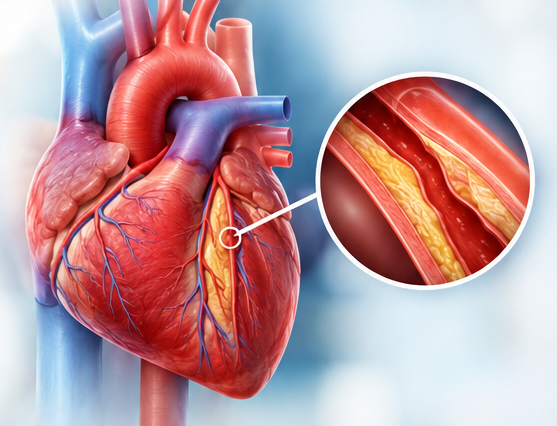
Coronary artery disease is one of the most common forms of heart disease. It occurs when fatty deposits, cholesterol, calcium, and other substances accumulate along the inner walls of the coronary arteries. This process, known as atherosclerosis, can cause the arteries to become narrowed or blocked.
When the heart doesn’t receive enough oxygen-rich blood, you may experience chest discomfort or shortness of breath. In some cases, plaque can rupture and trigger a blood clot that blocks blood flow, causing a heart attack.
CAD can develop gradually over many years, sometimes without noticeable symptoms. Understanding your risk and identifying potential problems early are important steps toward preventing serious complications.
What Are the Symptoms of Coronary Heart Disease?
Some people with coronary artery disease have no symptoms, particularly in the early stages. Others may experience symptoms during physical activity, emotional stress, or even at rest as the condition progresses.
Common symptoms include:
- Chest pain or discomfort (angina): Pressure, tightness, squeezing, or heaviness in the chest.
- Shortness of breath: Difficulty breathing during activity or at rest.
- Unusual fatigue: Feeling excessively tired, sometimes with routine activities.
- Dizziness or lightheadedness: Feeling faint or unsteady, particularly when accompanied by other symptoms.
Women, older adults, and people with diabetes may experience less typical symptoms, such as unusual fatigue, nausea, or shortness of breath, without prominent chest pain.
When to seek emergency care: New or severe chest discomfort, shortness of breath, cold sweats, nausea, or pain spreading to the arm, back, neck, or jaw may signal a heart attack. Call 911 immediately. Do not drive yourself to the hospital.
What Are the Risk Factors for Coronary Artery Disease?
Several factors can increase your likelihood of developing CAD. Some, such as age and family history, cannot be changed. Others can be addressed through lifestyle modifications and medical care.
Even if you feel healthy, you may have underlying risk factors that deserve attention. A comprehensive cardiovascular evaluation can help you better understand your individual risk and determine whether additional testing is appropriate.
Elevated LDL cholesterol can contribute to plaque buildup in the arteries.
Persistent hypertension can damage blood vessels over time.
High blood sugar can increase the risk of cardiovascular disease.
Tobacco damages blood vessels and increases cardiovascular risk.
A family history of early heart disease may increase your risk.
Limited physical activity can contribute to other cardiovascular risk factors.
Overweight and obesity may increase the likelihood of high blood pressure, diabetes, and abnormal cholesterol.
Cardiovascular risk generally increases as you get older.
How is Coronary Artery Disease Diagnosed?
Diagnosing coronary artery disease begins with understanding your symptoms, medical history, family history, and cardiovascular risk factors. Your cardiologist may recommend one or more tests based on your individual needs.
Diagnostic options may include:
 |
 |
 |
||
|
Cardiovascular Evaluation |
Blood Tests |
Coronary CT Angiography (CCTA) |
 |
 |
 |
||
|
Advanced Plaque Analysis |
Stress Testing |
Cardiac Catheterization |
Our cardiologist will recommend the most appropriate diagnostic approach based on your symptoms, risk profile, and clinical findings.
How Is Coronary Artery Disease Treated?
Although coronary artery disease is a chronic condition, treatment can help reduce cardiovascular risk, manage symptoms, and improve quality of life. Your treatment plan will depend on the severity of the disease, your overall health, and your individual goals.

Treatment may include:
Lifestyle Modifications
Heart-healthy habits can make a meaningful difference. These may include eating a balanced diet, exercising regularly as recommended by your care team, maintaining a healthy weight, avoiding tobacco, managing stress, and prioritizing sleep.
Medications
Depending on your needs, your cardiologist may prescribe medications to manage cholesterol, lower blood pressure, reduce the risk of blood clots, or relieve symptoms. Take medications as directed and discuss any concerns with your provider.
Cholesterol and Cardiovascular Risk Management
Managing LDL cholesterol, blood pressure, diabetes, and other contributing factors is essential to reducing the risk of disease progression and future cardiovascular events.
Minimally Invasive Procedures
For certain patients, coronary angioplasty and stent placement may help restore blood flow through narrowed arteries.
Coronary Artery Bypass Surgery
For more complex or extensive disease, coronary artery bypass grafting may be recommended to improve blood flow to the heart.
Our cardiologist will work with you to determine which treatment options are most appropriate for your condition.

Can CAD Be Prevented?
While not every case of coronary artery disease can be prevented, taking proactive steps can help lower your risk.
You can support your cardiovascular health by:
- Scheduling regular checkups and recommended cardiovascular screenings.
- Monitoring cholesterol, blood pressure, and blood sugar.
- Eating a heart-healthy diet rich in vegetables, fruits, whole grains, and other nutrient-dense foods.
- Staying physically active, with exercise tailored to your health and abilities.
- Avoiding smoking and other tobacco products.
- Taking prescribed medications consistently.
- Discussing your family history and personal risk factors with your cardiologist.
If you have a family history of heart disease or other risk factors, don’t wait for symptoms to appear before discussing your cardiovascular health with a medical professional.

Take The Next Step Toward Better Heart Health
You don’t have to wait for symptoms to prioritize your heart. Whether you need an evaluation for possible coronary artery disease, guidance on managing cardiovascular risk factors, or a personalized plan for prevention, our cardiology team is here to help.
Early evaluation and appropriate care can make a difference in protecting your heart for the years ahead.
Schedule an appointment today to discuss your heart health and explore the care options that are right for you.