Minimally Invasive Endovascular Techniques: What’s New?
How Minimally Invasive Vascular Surgery is Improving Lives
Vascular disease refers to ailments affecting the blood vessels, veins, and arteries. One of the most common forms of vascular disease is heart disease, which impacts nearly half of all adults in the U.S., but other types of vascular disease include peripheral artery disease (PAD), aneurysms, atherosclerosis, and carotid artery diseases, which are also common. In the past, vascular diseases were often addressed using open surgical procedures with extensive downtimes and difficult recovery periods. Today, minimally invasive techniques are providing better outcomes, along with easier recovery times for patients.
What are Minimally Invasive Endovascular Techniques?
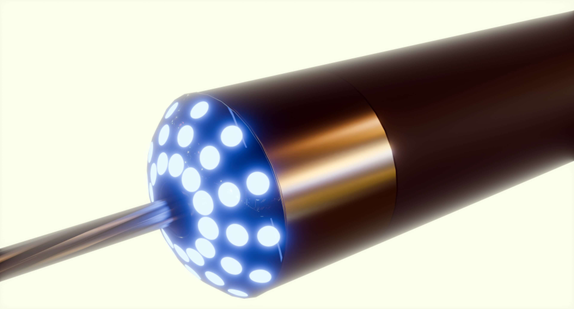
Endovascular means “inside the blood vessel,” and that’s exactly how these procedures are done. Using long, thin, flexible tubes known as catheters, vascular surgeons can access arteries and veins, avoiding large open surgeries. In this way, they can reach just about any part of the body. Compared to traditional surgical techniques, endovascular procedures are less painful, have a lower risk of complications, uses only a tiny <1 cm incision, have a shorter recovery time, and require a shorter hospital stay.
Latest Innovations in Endovascular Procedures
Endovascular procedures are well-established practices, and some of the more common include:
- Angioplasty and stenting, to open blocked arteries.
- Endovascular aneurysm repair (EVAR), to repair abdominal or thoracic aortic aneurysms.
- Thrombectomy to remove clots from blood vessels.
- Embolization, to block abnormal blood flow in order to address conditions like aneurysms, life-threatening bleeding, and arteriovenous malformation.
- Atherectomy, to remove plaque from arteries.
Beyond that, there is a world of procedures on the horizon, some already in use like robot-assisted procedures, and surgeons are getting a wealth of information using advanced imaging technologies. Now, AI is increasingly being utilized to enhance diagnostic capabilities and help improve patient outcomes.
Benefits of Minimally Invasive Artery Repair and Vascular Surgery
As already stated, with minimally invasive procedures like laser vein surgery, recovery is much faster and easier for patients. Additionally, because these procedures cause less damage to tissue, they reduce the risk of complications and infections. Consider atherectomy and angioplasty, in contrast to bypass surgery. A bypass redirects the blood, so that it goes around a blockage, and this is done by attaching a vein or tube to the areas before and after the blockage. It takes anywhere from two to five hours, during which the patient must be unconscious, and the hospital stay after the procedure is three to seven days. Angioplasty and atherectomy also deal with blockages, but in far less invasive ways. With angioplasty, a catheter is placed into an artery, and a balloon attached to the catheter is used to expand the artery and break up plaque, allowing the blood to flow more normally and clear the blockage. During atherectomy, the catheter is attached to a small tool that removed plaque, and in some cases, a stent is placed in the artery to keep it open. These procedures take under three hours, and require much shorter hospital stays, which means less exposure to other illnesses. Additionally, endovascular techniques don’t disrupt the normal anatomical structures, but are precise, which preserves the surrounding tissues and blood vessels.
Future Outlook: What’s Next in Endovascular Therapy?
As the field continues to evolve, technology will keep improving and surgeons will keep coming up with innovative new ways to treat vascular issues. There are new artery surgery devices, like stents and balloons that deliver medication to prevent future issues, and robotic surgery to reduce long surgical procedures and more enhanced precision and control for complicated procedures. Stent graft innovations like biodegradable scaffolding utilize implants that dissolve and leave the natural arteries intact, reducing the risk of stenosis and other complications. Surgeons are using artificial intelligence (AI) to help analyze images and create, refine, and optimize personalized treatment plans. Further, innovative approaches like combining open surgery with endovascular techniques, are making it possible to achieve more favorable outcomes for complex cases.
To Learn More About Minimally Invasive Endovascular Procedures, Contact ReVaMP
ReVaMP Heart and Vascular Institute has always been on the cutting edge of vascular care. Our dedicated physicians specialize in treating a wide range of cardiovascular conditions, with leading-edge technologies, innovative procedures, and a patient-centered approach. Since 2021, we have been serving patients within the Philadelphia and Southern NJ regions, treating a wide range of cardiovascular conditions, with a focus on preventative and minimally invasive care. We provide the latest coronary, structural, peripheral arterial, and venous interventions that enhance our patients’ quality of life and renew their health and well-being. Using a tailored approach, we take the time to understand each patient and craft a treatment plan that meets the patient’s unique needs. For more information about our modern, patient-focused cardiovascular care, contact us through our website.