
Atrial Fibrillation (AFib) Diagnosis & Treatment
Atrial Fibrillation (AFib) Diagnosis and Treatment Options
Atrial fibrillation (AFib) is the most common type of irregular or abnormal heart rhythm (arrhythmia). AFib occurs when the upper chambers and lower chambers are not coordinated, causing the heart to beat too slowly, too quickly, or irregularly. This condition can increase the risk of blood clots, stroke, heart failure and other cardiovascular complications.
While some people never experience any symptoms, if you experience irregular heartbeat or palpitations, shortness of breath, extreme fatigue, or chest pain, it’s important to get your symptoms checked out as soon as possible.
ReVaMP Heart & Vascular Institute delivers expert care in diagnosing and treating atrial fibrillation. We build custom treatment plans for each patient based on symptoms, the type and severity of AFib, stroke risk, overall health, and other medical conditions.
What Is Atrial Fibrillation?
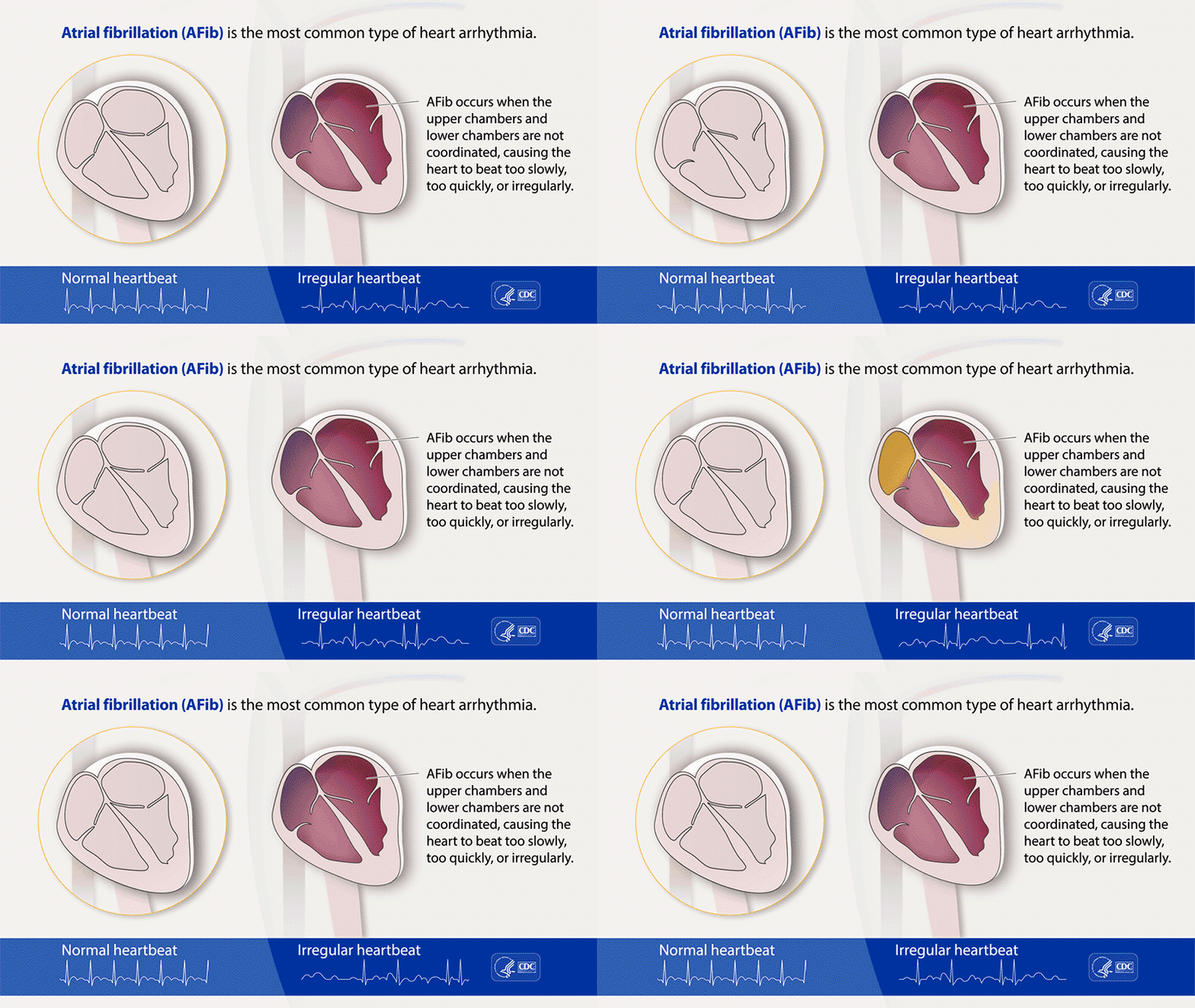
Atrial fibrillation occurs when the heart’s upper chambers, called the atria, beat irregularly instead of maintaining a normal rhythm. This can cause symptoms such as:
- Irregular or rapid heartbeat
- Heart palpitations
- Dizziness or lightheadedness
- Extreme tiredness or weakness
- Shortness of breath
- Chest pain or discomfort
Some people with AFib have no noticeable symptoms and may discover the condition during a routine examination or cardiac evaluation.
During AFib, slow-moving blood frequently pools in a small pocket of the heart known as the left atrial appendage, which can lead to blood clots. If one of these clots breaks away, it can travel straight to the brain and cause a stroke. This is why managing AFib is critical, even if you do not feel any symptoms.
What Causes Atrial Fibrillation?
Atrial fibrillation (AFib) is primarily caused by damage or changes to the heart’s tissue and electrical signaling pathways. This damage causes the upper chambers of the heart (the atria) to quiver chaotically instead of beating in a steady rhythm. While the exact cause is not always known, AFib is commonly triggered by underlying heart conditions, aging, and certain lifestyle or medical risk factors.
Common Causes or Risk Factors for AFib
One of the most common causes of AFib.
Narrowed or blocked heart arteries can affect the heart's electrical system.
Especially problems involving the mitral valve.
Changes in the heart's structure can increase the risk of AFib.
The risk of AFib increases significantly after age 65.
Excess weight places additional strain on the heart.
High blood sugar can contribute to changes in heart function.
Interrupted breathing during sleep is strongly associated with AFib.
An overactive thyroid (hyperthyroidism) can trigger an irregular heartbeat.
Sometimes called "holiday heart syndrome," heavy drinking can trigger AFib episodes.
Tobacco use increases cardiovascular risk.
Genetics may play a role in some cases.
How Is Atrial Fibrillation Diagnosed?
Atrial fibrillation (AFib) is diagnosed by evaluating your symptoms, medical history, and heart rhythm. Because AFib can come and go, your cardiologist may use one or more tests to detect an irregular heart rhythm and determine the type and severity of AFib.
Initial Medical Evaluation
- Medical history: Your doctor asks about symptoms like fluttering, racing heartbeats, fatigue, or dizziness.
- Physical exam: The provider listens to your heart and lungs and checks your pulse and blood pressure.
- Blood tests: Checks electrolyte levels or thyroid problems that can trigger irregular rhythms.
Heart Monitoring Tests
- Standard electrocardiogram (ECG/EKG): A quick, painless test recording the heart’s electrical signals to confirm AFib. Small electrodes placed on the chest and limbs record the heart’s electrical activity and can show whether the heart is beating irregularly.
- Holter monitor: A portable device worn for 24 to 48 hours to capture rhythm changes during normal daily routines.
- Event or patch recorder: Worn for weeks to record intermittent episodes when symptoms occur.
- Smartwatches: Consumer wearables can flag potential irregularities, but require formal clinical confirmation.
Imaging Evaluation
- Echocardiogram: An ultrasound providing pictures of the heart’s size, structure, and valve function.
How Is Atrial Fibrillation Treated?
There is no single treatment that is right for everyone with AFib. Treatment is highly personalized and tailored based on a patient’s symptoms, medical history, and individual risk factors. The ReVaMP team focuses on preventing blood clots and stroke, controlling the heart rate, restoring a normal heart rhythm, or reducing the frequency of AFib episodes.
Common AFib treatment options include:
Stroke Prevention (Anticoagulation)
Because AFib can cause blood to slow down and pool in your heart, preventing blood clots is our top safety priority. We do this through:
- Anticoagulants (Blood Thinners): Direct Oral Anticoagulants (DOACs) like apixaban (Eliquis) or rivaroxaban (Xarelto) are the standard first-line therapies. Warfarin remains an option for specific conditions, such as mechanical heart valves.
- Left Atrial Appendage Occlusion (LAAO): For patients with a high risk of bleeding who cannot take long-term blood thinners, a minimally invasive procedure that uses a device to close off the left atrial appendage may be an option. By sealing the appendage, the procedure is designed to prevent blood clots from leaving the heart and causing a stroke. LAAO may be an option for certain people with non-valvular AFib who require stroke prevention but have difficulty taking long-term anticoagulant medication or have an increased risk of bleeding.
Heart Rate Control
If your heart is racing too fast, it can wear out the muscle over time. We use gentle, everyday medications like beta-blockers to keep your heart beating at a safe, comfortable speed, even if the rhythm remains slightly irregular.
- Beta-Blockers: Medications such as metoprolol or atenolol slow down electrical conduction through the AV node.
- Calcium Channel Blockers: Non-dihydropyridine medications like diltiazem or verapamil control heart rate spikes, particularly during daily activities.
Heart Rhythm Control
For people who have frequent or bothersome AFib episodes, antiarrhythmic medications may be used to help maintain a normal heart rhythm.
The appropriate medication depends on the type of AFib, other heart conditions, and overall health.
- Cardioversion: Resetting the heart’s rhythm through oral antiarrhythmic medications or via a safe, brief electrical pulse delivered under light sedation to restore the heart to a normal rhythm.
- Catheter Ablation: A minimally invasive procedure that uses heat (radiofrequency), extreme cold (cryoablation), or electrical pulses (pulsed field ablation) to strategically scar the areas of the heart to block abnormal electrical signals.
Lifestyle and Risk Factor Modification
Your lifestyle plays a massive role in how often AFib happens. We work with you to manage underlying triggers by helping you treat sleep apnea, control high blood pressure, stay active, and limit alcohol consumption.
- Weight Management & Diet: Achieving a healthy weight reduces AFib episodes and improves overall heart health.
- Sleep Apnea Treatment: Screenings and continuous positive airway pressure (CPAP) therapies are used to treat underlying sleep apnea, a major driver of arrhythmia.
- Substance Control: Restricting or entirely eliminating alcohol intake and pursuing complete smoking cessation are critical parts of care.
- Physical Activity: Engaging in moderate, structured aerobic exercise supports normal cardiac pacing and vascular tone.
Which AFib Treatment Is Right for You?
The best treatment for atrial fibrillation depends on several factors, including:
- Whether AFib is paroxysmal or persistent
- How often AFib occurs
- Severity of symptoms
- Risk of stroke
- Risk of bleeding
- Age and overall health
- Other heart conditions
- Response to previous treatments
- Personal treatment goals
Your cardiologist can evaluate these factors and develop an individualized treatment plan.

When Should You See a Cardiologist for AFib?
Talk with a cardiologist if you experience symptoms such as recurring heart palpitations, an irregular heartbeat, unexplained fatigue, shortness of breath or dizziness.
If you have already been diagnosed with AFib, regular cardiovascular care can help monitor your condition and determine whether your treatment remains appropriate.
If you experience sudden chest pain, severe shortness of breath, fainting, or symptoms of a stroke, seek emergency medical attention.

Get Personalized AFib Care
Atrial fibrillation can often be effectively managed with the right combination of medications, procedures and lifestyle changes. If you have been diagnosed with AFib or are experiencing symptoms of an irregular heartbeat, a cardiovascular evaluation can help determine the next step in your care.
Talk with a cardiovascular specialist at ReVaMP Heart & Vascular Institute about your atrial fibrillation treatment options and get the personalized care you need.
Frequently Asked Questions About AFib Treatment
There is no single best treatment for everyone with AFib. Treatment may include medications, cardioversion, catheter ablation, stroke-prevention therapy or left atrial appendage occlusion, depending on the individual’s condition and risk factors.
Some people may be candidates for left atrial appendage occlusion (LAAO) as an alternative strategy for reducing stroke risk associated with blood clots originating in the left atrial appendage. Whether this is appropriate depends on individual risk factors and medical history.
Left atrial appendage occlusion, or LAAO, is a minimally invasive procedure that closes the left atrial appendage to help prevent blood clots from entering the bloodstream and potentially causing a stroke in appropriately selected patients with AFib.
Yes. Catheter ablation is a minimally invasive treatment option for certain patients with AFib. It targets abnormal electrical signals in the heart that contribute to AFib and can reduce the frequency or severity of episodes.
AFib can occur intermittently or persist over time. Some patients have episodes that stop on their own, while others require medication or a procedure to restore or maintain a normal heart rhythm. An accurate AFib diagnsosis and treatment plan can help manage AFib and reduce associated risks.
AFib can cause blood to pool in the heart, increasing the risk of blood clots and stroke. It can also contribute to other cardiovascular complications. Appropriate treatment can help reduce these risks.