Peripheral Artery Disease
Peripheral Artery Disease
Understanding the Connection Between Atrial Fibrillation and Stroke Risk
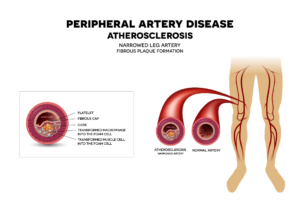
Peripheral Artery Disease (PAD) is a common circulatory condition that develops when arteries supplying blood to the legs and other parts of the body become narrowed or blocked, most often due to a buildup of plaque. This process, known as atherosclerosis, reduces blood flow and limits the amount of oxygen-rich blood reaching the muscles and tissues.
PAD most commonly affects the legs and feet, although it can also involve arteries supplying other areas of the body.
Often, PAD develops gradually, and some people experience few or no noticeable symptoms in its early stages. However, without proper diagnosis and treatment, the condition can progress and increase the risk of serious complications, including nonhealing wounds, infections, and limb-threatening circulation problems.
PAD is also an important warning sign of cardiovascular disease. People with PAD have an increased risk of heart attack and stroke because the underlying artery disease can affect blood vessels throughout the body.
At ReVaMP Heart & Vascular Institute, our cardiovascular specialists provide comprehensive evaluation and personalized treatment to help improve circulation, manage symptoms, and reduce cardiovascular risk.
What Causes Peripheral Artery Disease?
The most common cause of PAD is atherosclerosis, a condition in which fatty deposits, cholesterol, calcium, and other substances accumulate along artery walls. Over time, this plaque buildup narrows the arteries and restricts blood flow.
There are several factors can increase your risk of developing PAD.
- Smoking: Tobacco use damages blood vessels and significantly increases the risk of PAD.
- Diabetes: High blood sugar can damage arteries and accelerate plaque buildup.
- High blood pressure: Uncontrolled hypertension can contribute to artery damage.
- High cholesterol: Elevated LDL cholesterol contributes to plaque formation.
- Age: The risk of PAD increases with age, particularly after 50.
- Chronic kidney disease: Kidney disease is associated with an increased risk of vascular disease.
- Family history: A family history of cardiovascular disease or PAD may increase your risk.
- Obesity and physical inactivity: These factors can contribute to diabetes, high blood pressure, and other conditions associated with PAD.
What Are the Symptoms of PAD?
Some people with peripheral artery disease have no symptoms, particularly during the early stages. Others experience discomfort or changes in their legs and feet that may initially be mistaken for normal signs of aging.
Common symptoms include:
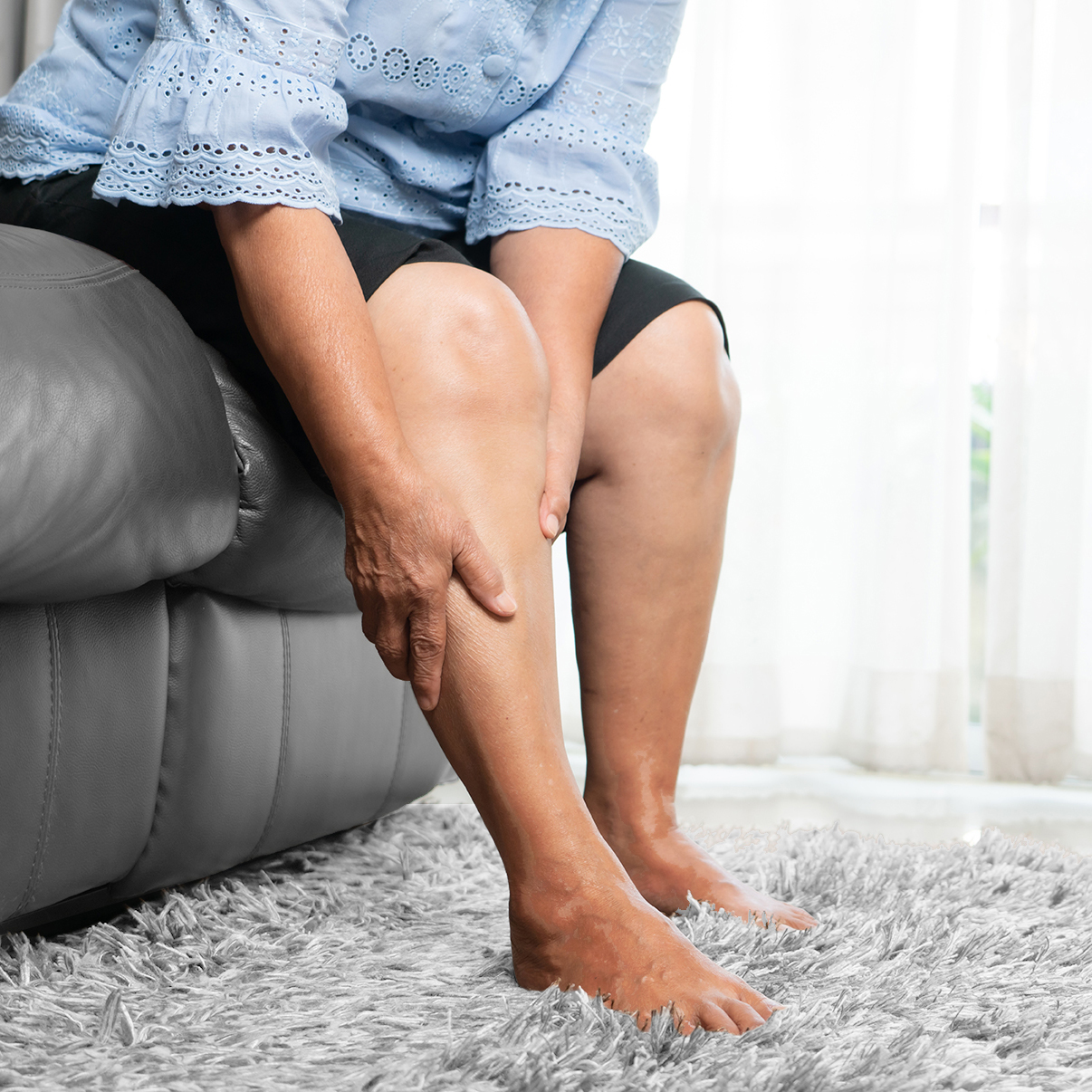
- Leg pain when walking (claudication): Cramping, aching, or fatigue in the calf, thigh, or buttock muscles during physical activity that typically improves with rest.
- Leg weakness or heaviness: A feeling of fatigue or reduced strength in the legs, especially when walking.
- Changes in skin color: The skin on the legs or feet may appear pale, bluish, or discolored.
- Sores on the toes, feet, or legs: Wounds, ulcers, or sores that heal slowly or do not heal due to reduced blood flow.
- Shiny skin: The skin on the legs or feet may appear unusually smooth or shiny as circulation decreases.
- Cold feet or lower legs: One foot or leg may feel noticeably colder than the other.
- Changes in toenails or hair growth: Reduced circulation may cause slower toenail growth and decreased hair growth on the legs.
- Pain at rest: More advanced PAD can cause persistent pain in the feet or toes, particularly when lying down.
When Should You See a Cardiovascular Specialist?
Do not ignore recurring leg pain, changes in foot temperature or color, or wounds that are slow to heal. These may be signs of reduced circulation.
Sudden severe leg pain, a suddenly cold or pale limb, numbness, weakness, or loss of movement can indicate acute limb ischemia, a medical emergency. Seek emergency medical attention immediately.
Early evaluation can help identify PAD before it progresses and allow treatment to begin sooner.
How Is Peripheral Artery Disease Diagnosed?
Diagnosing PAD involves evaluating your symptoms, medical history, cardiovascular risk factors, and circulation. Your ReVaMP specialist may recommend one or more diagnostic tests to determine the location and severity of arterial blockages.
Common diagnostic tests include:
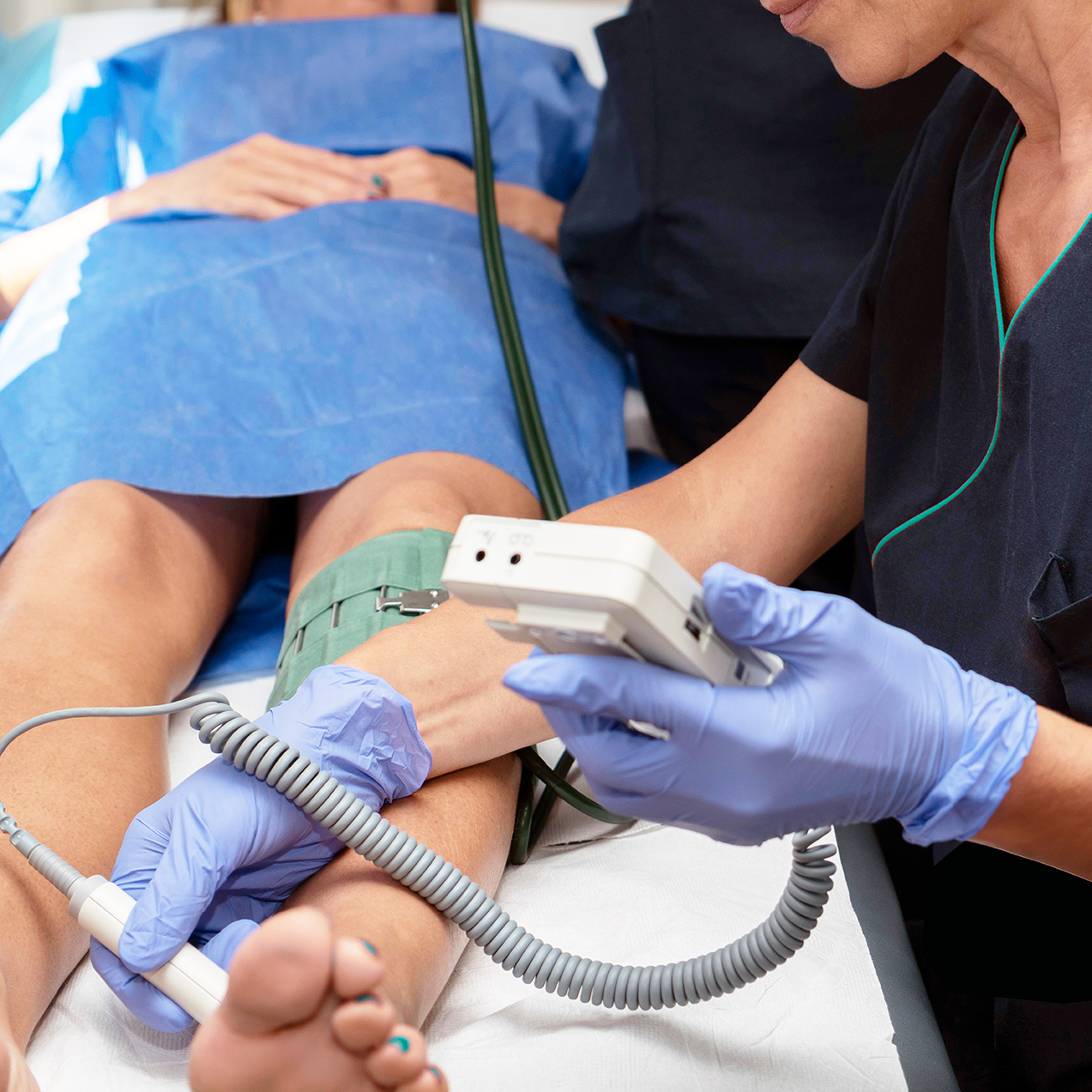
An ABI test compares blood pressure in your ankle with blood pressure in your arm. A lower ankle pressure may indicate narrowed or blocked arteries in the legs.
A noninvasive ultrasound uses sound waves to evaluate blood flow through the arteries and identify areas of narrowing or blockage.
CT angiography uses advanced imaging and contrast material to create detailed pictures of blood vessels. It helps identify the location and extent of arterial blockages and assists with treatment planning.
Advanced CT imaging can help evaluate circulation and identify areas of arterial narrowing throughout the peripheral vascular system.
In selected cases, a catheter-based angiogram may be performed to obtain detailed images of the arteries. This procedure can also help guide treatment when an intervention is needed.
Your specialist will determine which tests are appropriate based on your symptoms, medical history, and individual risk factors.
How Is Peripheral Artery Disease Treated?
PAD treatment focuses on improving blood flow, relieving symptoms, preventing disease progression, and reducing the risk of heart attack, stroke, and other complications.
Your treatment plan will depend on the severity of your condition, the location of arterial blockages, your overall health, and your symptoms.
Lifestyle Changes and Risk Factor Management
For many people, treatment begins with lifestyle modifications and management of underlying cardiovascular risk factors.
These may include:
- Supervised exercise therapy: A structured walking program can improve circulation, walking distance, and overall mobility.
- Smoking cessation: Quitting tobacco is one of the most important steps in slowing PAD progression.
- Healthy eating: A heart-healthy diet can help manage cholesterol, blood pressure, and blood sugar.
- Diabetes management: Keeping blood sugar levels under control helps reduce further blood vessel damage.
- Blood pressure and cholesterol management: Controlling these risk factors helps protect the arteries.
Medications
Depending on your condition, your physician may recommend medications to help manage PAD and reduce cardiovascular risk.
These may include:
- Antiplatelet medications: Such as aspirin or clopidogrel, to reduce the risk of blood clots.
- Cholesterol-lowering medications: Such as statins, to lower LDL cholesterol and help stabilize plaque.
- Medications for leg pain: Certain medications, such as cilostazol, may help improve walking distance in eligible patients with claudication.
Your physician will determine which medications are appropriate based on your individual health needs.
- Intravascular Lithotripsy (Shockwave): This technology uses sonic pressure waves to modify hardened calcium within the artery wall, helping prepare the vessel for treatment and improve its ability to expand.
The most appropriate approach depends on the location, severity, and characteristics of the arterial blockage.
Surgical Revascularization
For patients with more extensive or complex arterial disease, surgical bypass may be recommended. This procedure uses a blood vessel or synthetic graft to create an alternate route around a blocked artery, restoring blood flow to the affected area.
Your specialist will discuss the potential benefits and risks of each treatment option and help determine the most appropriate approach.
Why Choose ReVaMP Heart & Vascular Institute?
Peripheral artery disease requires more than treating leg pain. It requires a comprehensive approach to vascular health and cardiovascular risk management.
At ReVaMP Heart & Vascular Institute, our specialists combine advanced diagnostic imaging, vascular expertise, and personalized treatment strategies to address PAD at every stage.
From identifying early signs of reduced circulation to treating complex arterial blockages, our goal is to help patients improve blood flow, maintain mobility, and protect their long-term cardiovascular health.
If you are experiencing leg pain, changes in circulation, or other possible symptoms of PAD, a cardiovascular evaluation can help determine the cause and identify appropriate treatment options.
Schedule an appointment with ReVaMP Heart & Vascular Institute to learn more about your vascular health.
Frequently Asked Questions About Peripherl Artery Disease
Yes. PAD can become serious if left untreated. Reduced blood flow can lead to nonhealing wounds, infections, tissue damage, and, in severe cases, limb loss. PAD also increases the risk of heart attack and stroke because it is associated with widespread atherosclerosis. Early diagnosis and treatment are important.
One of the earliest and most common symptoms is leg pain, cramping, or fatigue when walking that improves with rest. Other early signs may include cold feet, changes in skin color, reduced hair growth on the legs, and slow-healing sores.
PAD-related plaque buildup generally cannot be completely reversed. However, lifestyle changes, medications, exercise therapy, and appropriate vascular procedures can help improve circulation, reduce symptoms, slow disease progression, and lower the risk of cardiovascular complications.
Poor circulation is a general term describing reduced blood flow. PAD is a specific condition caused by narrowed or blocked arteries, most often due to atherosclerosis. PAD is one of the most common causes of poor circulation in the legs.
PAD is commonly diagnosed using an ankle-brachial index (ABI), which compares blood pressure in the ankles and arms. Additional tests, including vascular ultrasound, CT angiography, and catheter-based angiography, may be used to evaluate the location and severity of arterial blockages.
Yes. Supervised exercise therapy, particularly structured walking programs, can improve walking distance and reduce symptoms in many people with PAD. Exercise should be tailored to your condition and performed under appropriate medical guidance.
PAD can affect one or both legs. Symptoms may be more noticeable in one leg, depending on the location and severity of arterial narrowing or blockage.
Without appropriate treatment, PAD may progress and lead to worsening leg pain, difficulty walking, nonhealing wounds, infections, and critical limb-threatening ischemia. Severe cases can result in tissue damage or amputation. Untreated PAD also leaves patients at increased risk for heart attack and stroke.
Yes. Many patients can manage PAD through lifestyle modifications, supervised exercise, and medications. For patients who need additional treatment, minimally invasive procedures such as balloon angioplasty, stenting, or atherectomy may help restore blood flow without traditional open surgery.
You should schedule a cardiovascular evaluation if you experience recurring leg pain when walking, cold feet, changes in skin color, or wounds that are slow to heal. Sudden severe leg pain, coldness, numbness, weakness, or loss of movement requires immediate emergency medical attention.