
Understanding Triglyceride-Rich Lipoproteins and Vascular Risk
Understanding Triglyceride-Rich Lipoproteins and Vascular Risk
For many years, the focus for reducing vascular risk has been on cholesterol. It was thought that high levels of LDL cholesterol and low levels of HDL cholesterol were causal factors in heart disease, and triglyceride-rich lipoproteins were largely ignored. Now, however, many researchers believe that triglycerides and the proteins that carry them are a major factor in cardiovascular risk.
What Are Triglyceride-Rich Lipoproteins? What’s the Link Between Atherosclerosis and Triglycerides?
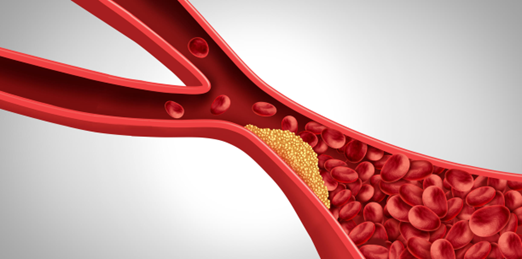
Triglycerides are a very common fat in our bodies, and they are responsible for storing excess energy from our diets. Lipoproteins are round particles made of fats and proteins. LDL cholesterol is short for low-density lipoprotein, and HDL cholesterol means high-density lipoprotein. Triglyceride-rich lipoproteins (TRLs) are just what they sound like: lipoproteins that carry triglycerides. While LDL cholesterol settles in the tissues, TRLs produce byproducts called “remnants”, which can move directly through the arterial walls, contributing to atherosclerosis. Atherosclerosis is the slow buildup of plaque, composed of fat, cholesterol, calcium, and other substances, within artery walls, causing them to harden and narrow.
Elevated Triglycerides and Heart Disease: How TRLs Contribute to Vascular Risk
Elevated triglycerides are not a form of heart disease. In fact, triglycerides are important for your body. However, when your level of triglyceride-rich lipoprotein is high, you are at a higher risk of developing heart disease. There is some debate about this, but the prevailing theory at this point is that elevated TRLs cause inflammation in the body, contribute to atherosclerotic lesions, and thus significantly increase a person’s risk of heart disease. In fact, the most recent research suggests that controlling LDL cholesterol is not enough, because elevated TRLs are their own risk factor for cardiovascular issues. What’s more, elevated levels of TRLs may be indicative of a metabolic dysfunction, like obesity or type 2 diabetes, which also contribute to the risk of heart disease.
Vascular Inflammation and Lipids: Strategies in Lipid Management for Vascular Health
Even though lipids serve the important purpose of storing energy, keeping them under control is important for lowering inflammation and promoting vascular health. To do this, patients are encouraged to make some lifestyle modifications, including improving their diet by reducing their intake of refined carbohydrates and added sugars, instead focusing on heart-healthy whole foods. Increasing physical activity and maintaining a healthy weight can also help, and so can reducing alcohol intake. Medical interventions, like lipid-lowering therapies and medications, may also be recommended.
Future Outlook: Research and Innovations
One reason that the consensus on TRLs is in flux is that clinical trials are ongoing. Researchers are looking at the component of genetic risk and attempting to gain a more comprehensive understanding of triglyceride-rich lipoproteins to design effective treatment options. Going forward, the trend seems to be focused on personalized health management, taking an individualized approach to reducing the risk of cardiovascular disease.
Contact ReVaMP Heart and Vascular Institute for a Personalized Treatment Plan
At ReVaMP Heart and Vascular Institute our dedicated physicians specialize in treating a wide range of cardiac and vascular conditions, with leading-edge technologies, innovative procedures, and a patient-centered approach. Since 2021, we have been serving patients within the Philadelphia and Southern NJ regions, treating a wide range of cardiovascular conditions, with a focus on preventative and minimally invasive care. We provide the latest coronary, structural, peripheral arterial, and venous interventions that enhance our patients’ quality of life and renew their health and well-being. Using a tailored approach, we take the time to understand each patient to craft a treatment plan that meets the patient’s unique needs. For more information about our modern, patient-focused cardiovascular care, contact us through our website.

Vascular Ultrasound: Vascular Imaging Diagnostics for High-Risk Groups
Your vascular system does the work of moving your blood throughout your…

Innovations in Mobile Health Apps for Vascular Patient Monitoring
The leading cause of death, worldwide, is cardiovascular disease. In modern…