
Cardiovascular Impact of Artificial Sweeteners: Fact vs Fiction

The health risks of a high sugar diet are well-established. Additionally, there is extensive research to indicate that a diet with added sugars has a negative impact on cardiovascular health. Because of this, many health-conscious people have switched to artificial sweeteners. It is estimated that about 41 percent of American adults regularly consume low-calorie sweeteners, and that number may be low, because people often ingest these sweeteners without realizing it, in products like pharmaceuticals and toothpaste. However, the wisdom of the widespread use of artificial sweeteners is beginning to be questioned by those in the scientific community. Could artificial sweeteners also negatively affect cardiovascular health?
What Are Artificial Sweeteners?
Artificial sweeteners, also known as nonnutritive sweeteners, don’t contain calories or sugar, so they’re often recommended for people who need to lose weight or lower blood sugar. Most are created in a lab, using chemicals, though a few are made from natural ingredients. Artificial sweeteners include products like aspartame, acesulfame potassium, saccharin, and sucralose, and they’re between 200 and 700 times sweeter than sugar. In the 1970s, researchers raised concern about saccharin and cancer, and saccharin was listed as a carcinogen, but the studies that were used involved rats, not humans. Further testing and human studies showed no evidence of a cancer risk, and it was removed from the list of carcinogens in 2000. Currently, though, some researchers are presenting new concerns about the safety of artificial sweeteners.
Artificial Sweeteners and Heart Disease — What Does the Research Say?
In 2022, a study published in the British Medical Journal found that consumption of significant amounts of artificial sweeteners raised the risk of stroke and cerebrovascular incidents by about 18 percent, and caused a 9 percent increase in the risk of cardiovascular disease. While this study did not definitively establish a causal link between heart disease and artificial sweeteners, it led the researchers to conclude that these sugar substitutes should not be considered a safe alternative to sugar. Specifically, the findings from the study suggest a direct association between increased cardiovascular disease risk and higher consumption of aspartame, acesulfame potassium, and sucralose.
Vascular Health, Blood Pressure and Artificial Sweeteners’ Metabolic Impact
In addition to the sweeteners mentioned above, sugar alcohols are another class of sweeteners, and recent research indicates that they are problematic, as well. These sweeteners, which include xylitol and erythritol, are not as sweet as artificial sweeteners, and they naturally occur in fruit and in our blood. The problem is that the amount of sugar alcohol used to sweetened processed food is much higher than what already exists in our bodies. Consuming sugar alcohols dangerously elevates their levels in our blood, raising the risk of thrombosis and major cardiac events. In other studies, the effects of sweeteners on the metabolism have been researched, and potential health risks have been uncovered.
- Artificial sweeteners can interfere with appetite. Because they are intensely sweet, they can potentially increase hunger because the brain expects calories that don’t arrive. Additionally, there is evidence to suggest that artificial sweeteners don’t satisfy cravings as well as natural sugars. In this way, non-nutritive sugar substitutes can disrupt appetite regulation and lead to overeating.
- Even though artificial sweeteners don’t have calories, they can have an impact on insulin and glucose metabolism. One recent study conducted by cardiovascular researchers in Sweden looked at the effect of aspartame on mice. The study found that this sweetener triggered increased insulin levels, caused inflammation, and led to plaque buildup in the arteries.
- The gut microbiome can be disrupted by artificial sweeteners. By altering gut bacteria, these sweeteners can potentially disrupt the microbial balance and lead to metabolic dysfunction.
- People often turn to artificial sweeteners for weight loss, but the reality is not that simple. In fact, a meta-analysis in 2017, published in the Canadian Medical Association Journal (CMAJ) linked artificial sweetener use with modest weight gain and increased BMI over time.
Cardiovascular Risks of Diet Soda — Should You Be Concerned?
Diet sodas are one of the more popular products containing artificial sweeteners, and they could come with some serious health risks. There is research to indicate that even one diet soda per day can raise a person’s risk of high blood pressure, irregular heartbeat, and other cardiovascular issues. In fact, the findings on diet soda’s artificial sweeteners and hypertension are fairly dramatic. One study found that just one diet soda per day can raise the risk of hypertension by 9 percent.
Practical Advice on Heart Health and Nutrition
When discussing diet and heart health, it always comes down to focusing on whole foods. Fill your diet with fruits, vegetables, lean proteins, and whole grains, and limit processed foods and added sweeteners, artificial and otherwise. If you want a fizzy drink, consider a flavored seltzer, or add a splash of fruit juice to carbonated water, for flavor without the added sweeteners. The best thing to drink is plain water, but there are plenty of other drinks to consider, too, like tea, kombucha, or water infused with fruit or herbs. If you have a sweet tooth, try to satisfy it with fresh fruit or, if you must use sweetener, consider natural sweeteners like monk fruit or stevia. These have fewer calories than sugar, but are considered safer than artificial sweeteners.
Trust ReVaMP Heart and Vascular Institute for Quality Cardiovascular Care
At ReVaMP Heart & Vascular Institute, our dedicated physicians specialize in treating a wide range of cardiovascular conditions, with leading-edge technologies, innovative procedures, and a patient-centered approach. Since 2021, we have been serving patients within the Philadelphia and Southern NJ regions, treating a wide range of cardiovascular conditions, with a focus on lifestyle management and preventative and minimally invasive care. We provide coronary, structural, peripheral arterial, and venous interventions, in order to enhance our patients’ quality of life and renew their health and well-being. Using a tailored approach, we take the time to understand each patient, in order to craft a treatment plan that meets the patient’s unique needs. Contact us today, for more information about our modern, patient-focused cardiovascular care.
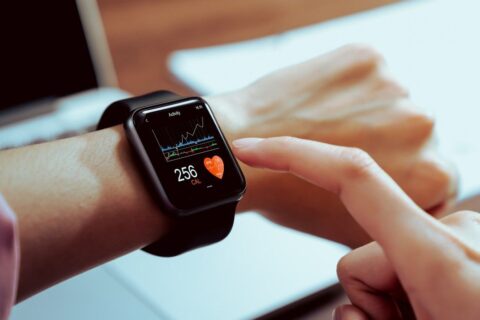
The Science of Smart Wearables for Vascular Health
Cardiovascular disease (CVD) is the leading cause of death globally, so researchers are…

The Use of Predictive AI in Cardiovascular Risk Assessment
AI is undeniably growing in usage, and there are many ways in which it is reshaping the…