
Atrial Fibrillation: Watchman Can Offer an Alternative to Blood Thinners
The Watchman Device: Atrial Fibrillation Alternative to Blood Thinners
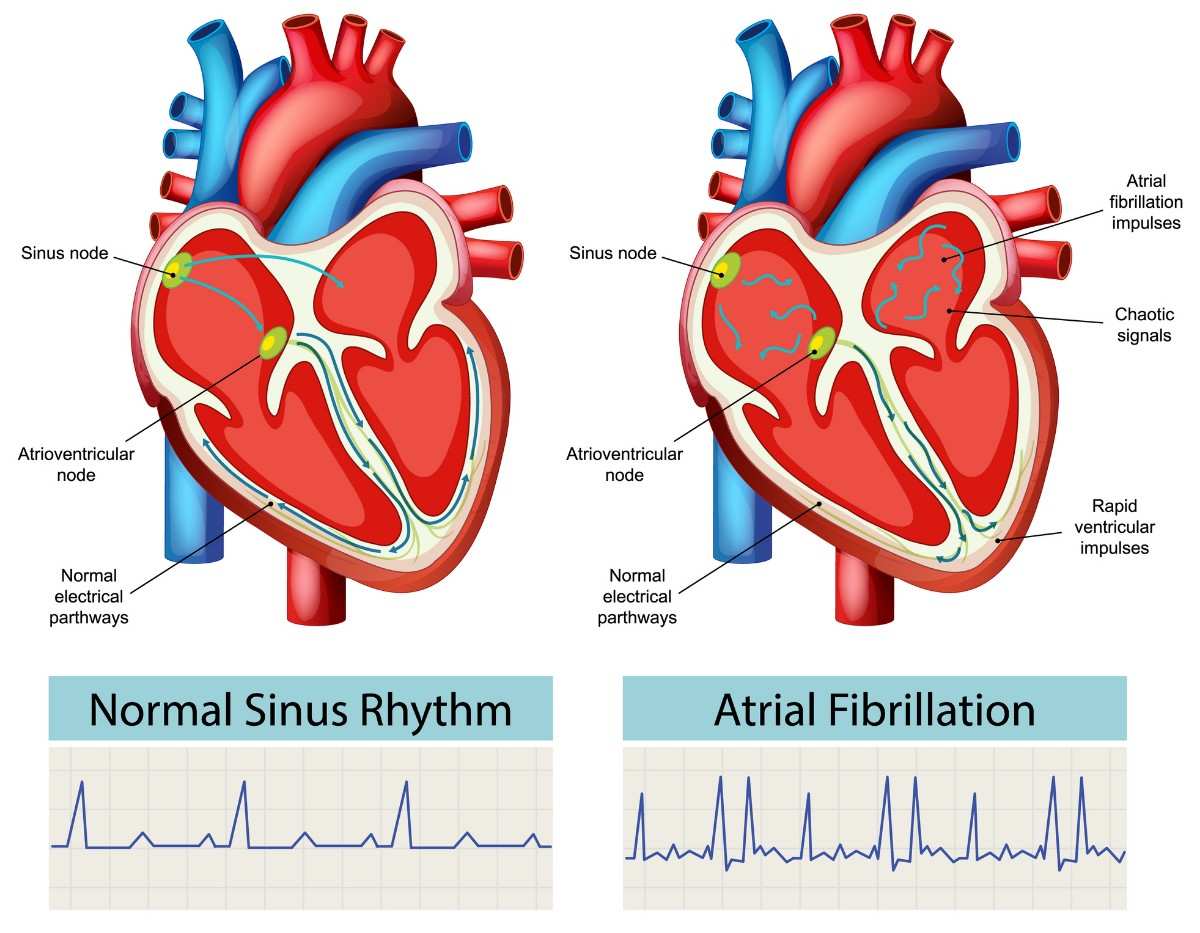
Atrial fibrillation (AFib) is a condition in which the heart beats irregularly. The abnormal heart rhythm starts in the upper chambers of the heart, known as the atria. When the abnormal rhythm occurs, the atria vibrate, and the heart is not able to move blood effectively, which can lead to the formation of clots. Clots are dangerous, because they can break free, enter the bloodstream, and block an artery, cutting off the blood supply to the brain. When this happens, it causes a stroke. Sometimes, people have AFib because of a structural abnormality in the heart valves. Most people have atrial fibrillation that isn’t caused by a structural issue, and this is called non-valvular atrial fibrillation. In the past, the only solution for people with non-valvular fibrillation was to take blood thinners long term. However, an innovative device called the Watchman is now available, as an alternative to a lifetime of blood thinners.
What is the Connection Between Atrial Fibrillation and Blood Thinners?
Research from the Centers for Disease Control (CDC) tells us that people with atrial fibrillation are five times more likely than the average person to have a stroke. Further, the strokes that happen because of AFib are often more severe than strokes that occur without any underlying cause. That is why people with non-valvular AFib are often instructed to take blood thinners. Unfortunately, blood thinners can be problematic for some people, because they increase the risk of uncontrolled bleeds from falls, surgery, and other medical issues.
Does Taking Blood Thinners for Atrial Fib Reduce Stroke Risk?
The reason people take blood thinners when they have AFib is because doing so can cut the risk of strokes in half. Unfortunately, blood thinners also come with a number of drawbacks. They can increase a person’s risk of bruising and bleeding issues, so that a minor cut or fall can potentially become a life-threatening condition. Blood thinners, also called anticoagulants, must be taken on a consistent schedule, which can be limiting for a person with an active lifestyle. Taking other medications, even over-the-counter pain relievers, when on anticoagulants, can have dangerous consequences, and so a person taking anticoagulants must be vigilant about possible drug interactions.
What is the Watchman Device?
The Watchman device offers freedom from the constraints and concerns that go along with blood thinners. This small implant, no larger than a quarter, is placed in the heart, and prevents blood clots from forming. The procedure to implant the Watchman is non-invasive and permanent, and it eliminates the need for blood thinners.

Benefits of the Watchman Procedure
The Watchman is safe and effective, and it is the most implanted device of its kind. Across the globe, more than 500,000 people have benefited from this innovative procedure, and it is typically covered by insurance. It is much less invasive than other types of heart surgery, minimizes the risk of stroke dramatically, and greatly improves the quality of life for people with atrial fibrillation.
Who is a Candidate for Watchman? What to Expect in a Watchman Procedure
The Watchman may be a good fit for you if you have non-valvular AFib, are at risk of a stroke, and have concerns about using blood thinners long term. If your cardiologist believes this procedure is right for you, the Watchman will be implanted in a one-time, catheter-based procedure, performed while you are under general anesthesia. The Watchman will be placed through a blood vessel in the leg, and the procedure will take between 60 and 90 minutes. Once the device has been placed, the heart tissue will grow to cover it, and this will block blood clots from leaving the heart. It takes about 45 days for the tissue to grow, and for a period of time, you may need to take blood thinners to allow the device to become fully functional.
ReVaMP Heart & Vascular Institute Offers Advanced Care Options like the Watchman
At ReVaMP Heart & Vascular Institute, our dedicated physicians serve the Philadelphia, Huntingdon Valley, and Southern NJ regions by providing advanced care for a wide range of cardiovascular conditions. We focus on preventative and minimally invasive treatments, including coronary, structural, peripheral arterial diagnostics, and venous interventions. Our patient-centered approach ensures every treatment plan is uniquely tailored to enhance your quality of life. For more information, contact us today to schedule an appointment.

Silent Blood Circulation Warning Signs
Did you know that you could have poor blood circulation and not even know it? Poor blood circulation is not a…

Early Heart Disease Symptoms in Men: What You Might Be Ignoring
Heart disease is an umbrella term, encompassing a number of heart conditions, and it…