
Varicocele Embolisation: Minimally Invasive Treatment for Varicoceles
When a young man discovers that he has a varicocele, it can be unnerving. A varicocele is the swelling of veins in the scrotum, and it affects 10 to 15 percent of men. While some men have no symptoms, others experience pain and may struggle with fertility. Traditionally, varicocele treatment has been limited to surgery. Now, however, there is varicocele embolization, a minimally invasive treatment for varicoceles.
What Is a Varicocele?
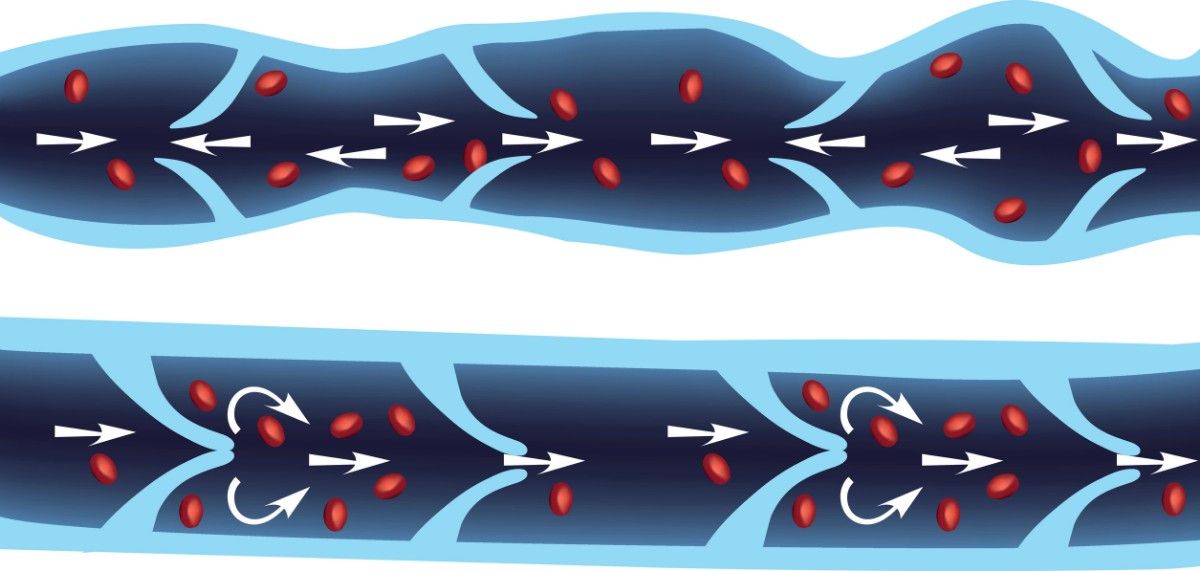
Varicoceles are similar to the varicose veins some people have on their legs. They occur because of faulty valves that allow blood to flow backwards and pool, which enlarges the veins. Varicoceles form during puberty, and are more common on the left side of the scrotum because the veins are connected differently on the two sides. On the left side, more pressure is required to move the blood towards the heart. This is why the blood sometimes pools and causes varicoceles. Varicoceles have been described as feeling like a bag of worms, though some are less pronounced than that.
Symptoms of Varicocele and When to Seek Help
Many men don’t even know they have a varicocele, but other men experience symptoms that include pain ranging from dull to sharp, swelling, and a feeling of heaviness in the scrotum. The symptoms may become worse when a man is exerting himself physically or standing for a long time. While most varicoceles are harmless, some can lead to shrinkage of the testicles or infertility. In fact, varicoceles are often discovered when men are being treated for infertility. It is important to note, though, that only about one of every five men with a varicocele will experience fertility issues. It’s not always necessary to treat a varicocele, but if you are experiencing pain, your left testicle is smaller than the right, or you are concerned about fertility, you should talk to your doctor.
What is Varicocele Embolization?
Varicocele embolization is a safe, minimally invasive treatment for varicoceles. Unlike surgery, embolization is performed in an outpatient setting, under local anesthesia. A catheter is inserted into a vein, either in the groin or neck, and the doctor guides it to to the varicocele, using real-time X-ray. Once the catheter is in place, an embolization material is released to block the affected veins. This can be tiny coils or a special solution, but the purpose is to block blood flow to the damaged veins so that they will shrink and be absorbed by the body. Typically, patients return to normal activity after just a few days. Varicocele embolization has a high success rate, and carries fewer risks than surgery.
Recovery for Varicocele Treatment and Varicocele Pain Management
During the procedure, patients are given a sedative, as well as local anesthesia. This helps them relax, although they are still awake, and most patients report only mild discomfort. After the procedure, the doctor may want to continue to observe the patient for a few hours before he is discharged. The pain after embolization is typically manageable with over the counter pain medication, and patients are free to resume their routine, as long as they avoid strenuous activity for a few days. Patients usually experience full recovery within a week, with just some mild soreness and bruising at the catheter site. Scheduling follow up appointments is very important, so that the doctor can verify that the procedure was a success, and there were no complications.
When to See a Specialist for Varicocele Pain Remedy or Treatment
It is often a general practitioner who diagnoses a varicocele. If you require treatment, however, it’s best to see a vascular specialist. A specialist can determine which kind of treatment is right for you, and whether varicocele embolization is appropriate. A vascular expert can also determine if you need to have treatment, or if the varicocele is not a concern. For adult men, varicoceles need only be treated if they are impeding fertility or causing pain. For teenaged boys, however, it is sometimes better to be proactive in addressing the varicocele. A semen analysis is recommended, to assess sperm health and determine whether repair is the right move.
Contact ReVaMP Heart & Vascular Institute for a Personalized Treatment Plan
A varicocele can be unnerving, but you don’t have to suffer through it. At ReVaMP Heart & Vascular Institute, our dedicated physicians specialize in treating a wide range of cardiac and vascular conditions, with leading-edge technologies, innovative procedures, and a patient-centered approach. Since 2021, we have been serving patients within the Philadelphia and Southern NJ regions, treating a wide range of cardiovascular conditions, with a focus on preventative and minimally invasive care. We provide coronary, structural, peripheral arterial, and venous interventions in order to enhance our patients’ quality of life and renew their health and well-being. Using a tailored approach, we take the time to understand each patient, in order to craft a treatment plan that meets the patient’s unique needs. For more information about our modern, patient-focused cardiovascular care, contact us today to schedule an appointment.