How Smoking Damages Your Veins and Arteries — and How Quickly They Heal After You Quit
Artery and Vein Damage from Smoking – and How Quickly They Heal
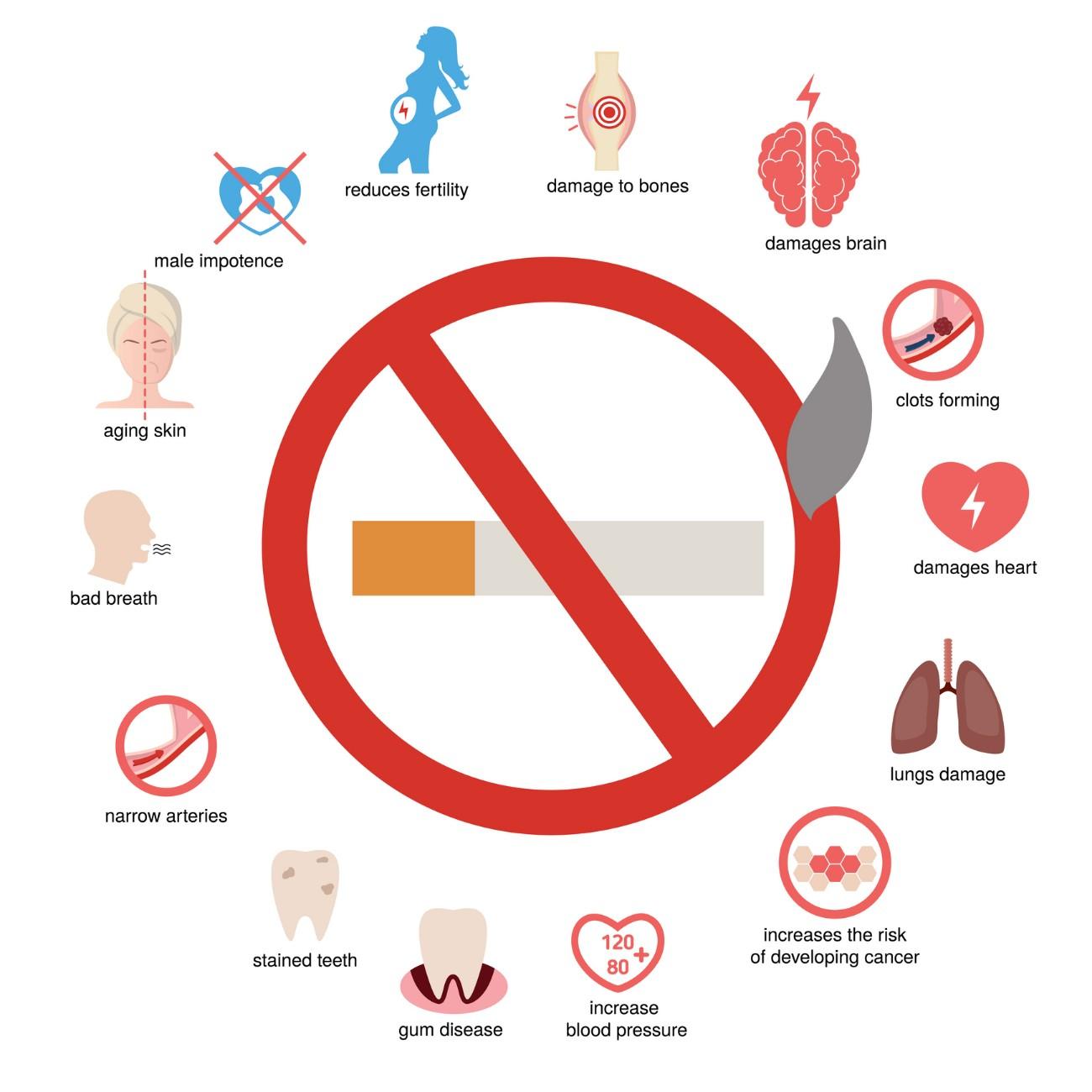
Cigarette smoking is the top cause of preventable death in the United States, according to the National Institute of Health. You know that smoking can damage your lungs, but what about your cardiovascular system? Smoking is the cause of one in every four deaths from cardiovascular disease, and even exposure to secondhand smoke can cause heart attack or stroke. The damage done to your heart and blood vessels by the chemicals in cigarettes and cigarette smoke can be significant, especially nicotine and carbon monoxide. There is good news, however: as soon as you quit smoking, your cardiovascular system begins to heal.

Smoking and Vascular Health- How Smoking Damages Veins and Arteries
When you smoke, the nicotine constricts your blood vessels, and this decreases the amount of blood that can flow to your organs. Less blood flow means that your organs are not getting as much oxygen and nutrients as your cells need. The longer you smoke, the more this narrowing of the blood vessels damages them, making them stiff and less pliable. Meanwhile, the carbon monoxide you are taking in binds to hemoglobin, which is the molecule in your blood responsible for carrying oxygen. Hemoglobin that is bound to carbon monoxide can’t bind to oxygen, so this means even less oxygen is delivered to your cells. To make up for the lack of oxygen, your heart rate may get faster and your heart may enlarge. When your heart is enlarged, your heart rate increases and your blood vessels stiffens, it gets increasingly harder for your cardiovascular system to work properly. Your risk of high blood pressure and cardiovascular disease increases as your heart struggles to get the necessary oxygen and nutrients to your body.
Tobacco’s Effects on Blood Vessels: Your Increased Risk of Vascular Conditions
Even if you are not a heavy smoker, you are at risk of vascular and arterial damage just by smoking. Coronary heart disease occurs when your arteries are clogged by smoking, and peripheral artery disease (PAD) risk is increased, as well. PAD makes the circulation in your arms and legs extremely poor. In fact, the blood flow can diminish so drastically that you may even develop gangrene. The connection between nicotine and circulation problems is well documented, and the interrupted blood flow caused by smoking can result in a stroke, with loss of brain function. Another vascular condition caused by smoking is an abdominal aortic aneurysm, which happens when the main blood vessel in the abdomen enlarges to the point that it could potentially rupture.
Healing After Quitting Smoking: Recovery Timeline
If smoking can cause that much damage, how quickly can your cardiovascular system heal after you quit? It might surprise you to learn that your body begins to reverse the damage just 20 minutes after your last cigarette. At that point, your blood pressure and pulse will begin to improve. As time goes on, your recovery will continue.
- After 8 hours: Carbon monoxide levels decrease, and more oxygen can get to your tissues and nourish them.
- After 24 hours: The nicotine level in the blood drops dramatically, reducing the constriction of your veins and arteries and decreasing your chance of a heart attack.
- After a week: Seven days after you quit smoking, the carbon monoxide in your blood will go back to normal levels.
- After 2 weeks: Your circulation and oxygenation will improve so much that you will find that walking has become easier.
- After a month: At this point, you will be experiencing much better health because you stopped smoking. You will have more energy, less congestion, and you won’t be so short of breath when you exercise. Once you’ve made it a month, you are very likely to be able to quit for good.
- After 3 years: Your risk of heart attack or stroke drops by half, and your heart keeps getting healthier.
- After 5 years: Your risk of a stroke is the same as a nonsmoker.
- After 15 years: Once you have made it to the 15-year mark, your heart attack risk drops to the level of a person who has never smoked.
Vascular Healing After Quitting: Vein and Artery Health Tips
What can you do to promote good vascular health after you quit smoking? Practice healthy habits, just as you would need to if you had never smoked. Regular exercise can help improve your circulation, and a nutrient-dense diet, full of fruits, vegetables, whole grains, and lean proteins will help clean your arteries. You can also improve your cardiovascular health by maintaining a healthy weight and keeping your blood pressure and cholesterol levels in check.
If You’re on the Path to Recovery or Considering Quitting, ReVaMP Can Offer Support
Whether you are already healing from the damage of smoking, or you are still just considering quitting, ReVaMP Heart & Vascular Institute wants to be there to support your vascular health journey. Our dedicated physicians specialize in creating tailored treatment plans for a wide range of cardiovascular conditions, focusing on preventative and minimally invasive care. We provide comprehensive services, from peripheral arterial diagnostics to complex venous interventions, to enhance your quality of life. If you’re in the Philadelphia, Huntingdon Valley, or Southern NJ region, contact us today to schedule your personal consultation.

Heat and Vascular Health: Summer Vascular Risks
Do you look forward to summer? Long, sunny days, time to relax, and fun in the sunshine make summer…