Renal Artery Denervation for the Management of Hypertension
Hypertension, also called high blood pressure, is a common condition, impacting millions of people globally. A major risk factor for cardiovascular disease, it can often be controlled through lifestyle modifications and medication. However, a growing number of people experience resistant or uncontrolled hypertension, which cannot be successfully managed, despite the use of antihypertensive drugs. To be diagnosed with resistant hypertension, patients must have blood pressure that is persistently elevated above 140/90 mmHg, despite taking three or more blood pressure medications, including a diuretic. Resistant hypertension impacts between 10 and 20 percent of hypertensive patients, and increases a patient’s risk of heart attack, stroke, and kidney disease. Renal artery denervation is an innovative new treatment in managing resistant hypertension, giving patients a new option in the fight against uncontrolled high blood pressure.
What is Renal Artery Denervation (RDN)?
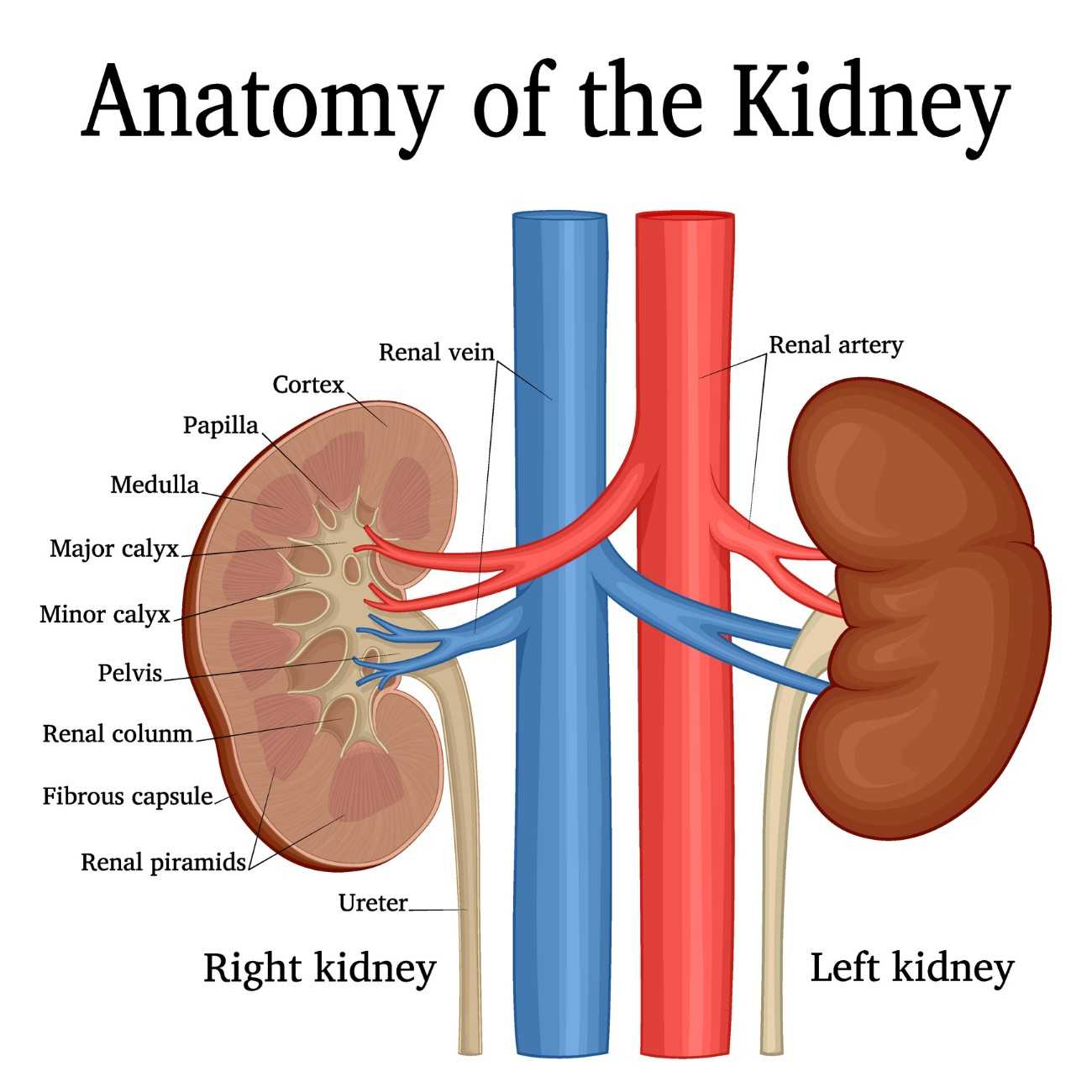
A minimally invasive procedure, renal artery denervation addresses hypertension by targeting the sympathetic nerves in the renal arteries. These nerves transmit signals that contribute to hypertension, and by interrupting or disrupting the overactive signaling from these nerves, this procedure works to lower blood pressure, improving cardiovascular outcomes. There have been several studies evaluating the effectiveness of renal denervation, demonstrating a positive impact on resistant hypertension.
Procedural Techniques of Renal Artery Denervation
Renal artery denervation is performed using a catheter, which is inserted into the renal arteries, after the patient receives local anesthesia. Through this catheter, the doctor will access the renal arteries, which feed the kidneys, and use radiofrequency pulses or ultrasound to burn the nerves. The goal is to avoid damaging the arteries while ablating the renal nerves, so each application of radiofrequency ablation only lasts one or two minutes. There are different devices used to perform this procedure, and some require more than one application of radiofrequency in a session, while others do not.
Benefits and Effectiveness of Renal Denervation for Hypertension
Though more testing is needed and renal denervation is a relatively new treatment, studies suggest that it is an effective, life-saving option for resistant hypertension. For patients whose blood pressure isn’t well-controlled by medications, it is a remarkable innovation. After renal denervation, patients have lower blood pressure and a reduced risk of stroke, heart failure, and kidney disease. Additionally, many patients are able to significantly reduce the medications they are taking for hypertension, and some are able to stop taking blood pressure medication entirely.
Safety, Side Effects & Considerations
To undergo renal artery denervation, a patient must have strong, healthy blood vessels, specifically the renal arteries. RDN is generally considered a safe procedure, but like any surgical procedure, it can carry some risks, though the rate of adverse effects is low. Bruising may appear at the puncture site, and some patients experience bradycardia (slow heart rate) while undergoing the procedure, and need to be given atropine. Another complication that can occur is damage to the renal artery, either a tear or a narrowing of the arteries. In the case of renal artery stenosis (narrowing of the arteries), a stent can be inserted to treat the condition.
If You Are Struggling with High Blood Pressure, Contact ReVaMP for Innovative Treatments
At ReVaMP Heart & Vascular Institute we pride ourselves on offering advanced care options, including renal interventions, when appropriate. The dedicated physicians at ReVaMP Heart & Vascular Institute are leaders in treating a wide range of cardiovascular conditions for patients across Philadelphia, Huntingdon Valley, and Southern NJ. We utilize leading-edge technology and a patient-centered focus to provide innovative coronary, structural, peripheral arterial diagnostics, and venous interventions. Each treatment plan is uniquely crafted to renew your health and well-being. To discover how our modern approach to cardiovascular care can help you, contact us today to schedule an appointment.