The Silent Signs of Poor Circulation
Silent Blood Circulation Warning Signs
Did you know that you could have poor blood circulation and not even know it? Poor blood circulation is not a disease, it’s a symptom of something bigger, and if it’s ignored, it could lead to serious complications. Unfortunately, it’s not always obvious that your circulatory system isn’t working as well as it should. Early warning signs may not be obvious, but it’s important to know how to identify them, to protect your vascular health.
What Causes Poor Blood Circulation?
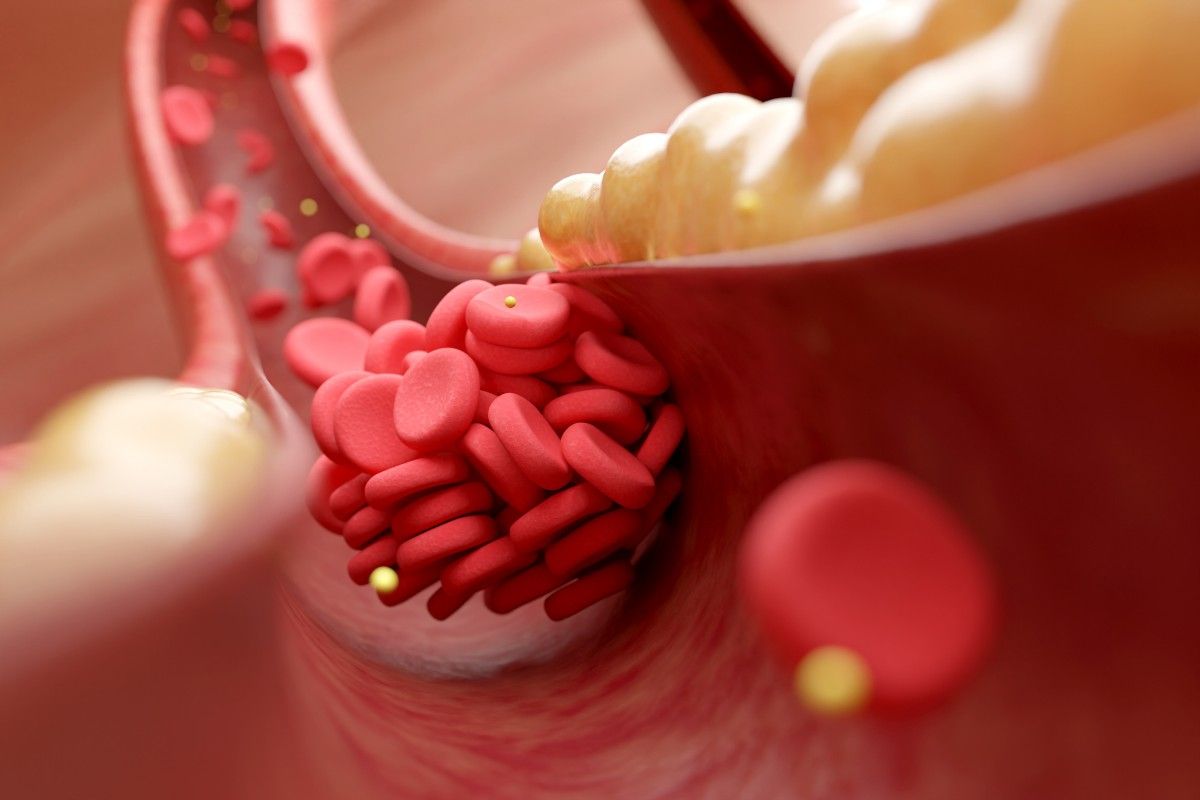
The flow of blood through your body is extremely important, because every system in your body depends on your veins and arteries to carry oxygen and nutrients from the heart to your tissues, and take waste material away to be cleaned. Your circulatory system is also responsible for getting white blood cells to parts of your body that have been damaged by infection or injury. What causes the circulatory system to become sluggish? Poor circulation can be the result of a sedentary lifestyle, but it can also be a sign of a medical issue. There are several common conditions that can cause restricted blood flow and poor circulation.
- Peripheral artery disease (PAD) occurs when plaque buildup causes narrowing of the arteries.
- Diabetes damages blood vessels over time.
- Excess weight puts veins and arteries under pressure, making it harder for them to function properly.
- Smoking narrows and stiffens blood vessels and reduces circulation.
- Varicose veins occur when blood vessels malfunction in the legs, impeding blood flow.
Early Signs of Vascular Disease
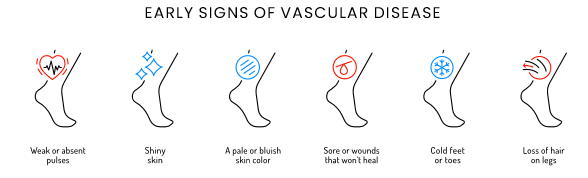
Vascular disease does not always have obvious symptoms. Poor blood circulation is a warning sign, and it manifests in many subtle ways. Maybe your hands and feet are always cold, or you often have numbness or tingling in your fingers or toes. If your legs are swollen by the end of the day, this could be poor venous return, and if they cramp frequently when you walk, it can be a sign of PAD. Sometimes poor circulation results in cuts or sores that don’t heal as quickly as they should, or in skin that appears pale, blue, or shiny. It can also be as subtle as fatigue. If you feel like you lack energy and stamina, it may not just be that you are working too much – you may have a vascular problem. If left untreated, poor circulation can raise your risk of stroke, cognitive decline, and cardiovascular disease, or lead to chronic pain, ulcers, or tissue death in the limbs.
Vascular Red Flags that Warrant Immediate Attention
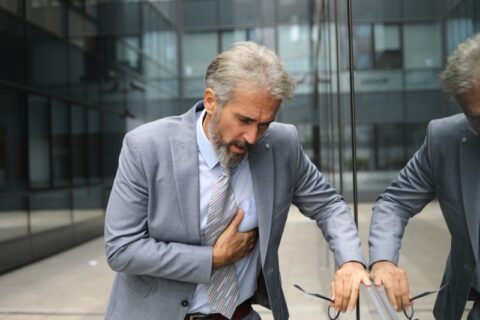
Certain signs of vascular trouble are severe enough that you should head to the emergency room as soon as you can. Seek immediate medical attention if you don’t have feeling in your foot or you have chest pain, or if there’s a persistent “pins and needles” feeling in your extremities, or leg pain without exertion. If you think you may be having a pulmonary embolism, get to the ER immediately. Signs of a pulmonary embolism include lightheadedness, sharp chest pain, fainting, coughing blood, excessive sweating, and leg pain or swelling.
Protecting Your Circulation and Spotting Artery Blockages for PAD Early Detection
PAD is caused by blockages in the arteries. How do you know if you have a blocked artery? The signs of poor blood circulation that point to artery blockage include leg pain, non-healing wounds, a weak pulse in the legs or feet, pain or numbness in the legs, even when resting, and shiny skin or lack of hair growth on the legs. With PAD, early detection is important, so if you think you are having mild symptoms, talk to your doctor. You can prevent PAD by quitting smoking, keeping your blood sugar under control, eating a nutritious diet, exercising regularly, maintaining a healthy weight, and managing your cholesterol and blood pressure.
When You Should See a Vein Specialist
If your legs ache, feel heavy, or swell, especially after you’ve been sitting or standing for a long time, you may not think it’s a concern. However, this can indicate underlying venous problems that you should address with a vein specialist. The same holds true for skin that tingles, throbs, or burns. This could be a sign of varicose veins, even before the veins appear. Slightly less subtle indications that your veins need a professional include skin changes, rashes, or sores on your legs, or veins that are tender or bleed easily.
Noticing Poor Blood Flow Symptoms? Schedule a Vascular Consultation with ReVaMP
Don’t waste time wondering about your cold feet and hands causes, come have a vascular workup at ReVaMP Heart & Vascular Institute. Our dedicated physicians specialize in treating a wide range of cardiovascular conditions, with leading-edge technologies, innovative procedures, and a patient-centered approach. Since 2021, we have been serving patients within the Philadelphia, Huntingdon Valley, and Southern NJ regions, treating a wide range of cardiovascular conditions, with a focus on preventative and minimally invasive care. We provide coronary, structural, peripheral arterial diagnostics, and venous interventions, in order to enhance our patients’ quality of life and renew their health and well-being. Using a tailored approach, we take the time to understand each patient, in order to craft a treatment plan that meets the patient’s unique needs. For more information about our modern, patient-focused cardiovascular care, contact us today to schedule an appointment.

The Watchman Device: Atrial Fibrillation Alternative to Blood Thinners
Atrial fibrillation (AFib) is a condition in which the heart beats…
Early Heart Disease Symptoms in Men: What You Might Be Ignoring
Heart disease is an umbrella term, encompassing a number of heart conditions, and it…