
Peripheral Arterial Disease in African American Communities: Addressing Disparities

PAD in African Americans: Vascular Disparities in Minority Health
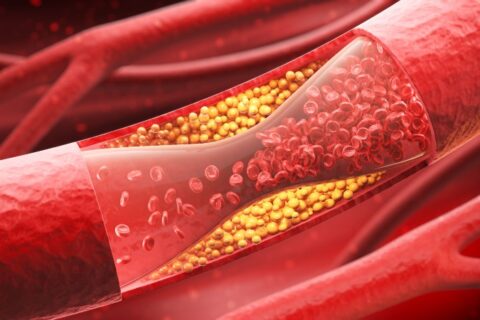
Although it affects over 200 million people worldwide, peripheral artery disease (PAD) is an underdiagnosed and undertreated condition when compared to coronary artery disease. It is an extremely serious condition, in which narrowed arteries reduce the blood flow to the legs, and it carries a significant risk of stroke, myocardial infarction, and limb amputation. What’s more, it is predicted that PAD cases worldwide will surge by 220 percent between now and 2050, despite the fact that about 70 percent of peripheral arterial disease cases can be attributed to modifiable risk factors. PAD disproportionately affects African Americans, where underdiagnosis leads to devastating limb loss, heart disease, and community-wide burdens. Why are African Americans at higher risk for this disease, and what can be done to address this issue?
Understanding PAD’s African American Prevalence
On the whole, PAD impacts minorities at higher rates as compared with White Americans. But although Hispanic Americans and Indian Americans are also disproportionately affected, African Americans are the most significantly impacted of any group. The group with the highest rate of PAD is African American men 50 years old or older, and by the time they reach 80, 59 percent of them are affected. It is estimated that 30 percent of men and 27 percent of women in the African American Community will develop PAD at some point in their lifetimes.
Why Vascular Disparities Exist in Minority Health
The disparities in arterial health, like other health divides, can be attributed to a number of factors. Some are genetic, and some have to do with lifestyle factors, like smoking, poor diet, and a sedentary lifestyle. But there are also social elements at play, too, including lower income and education levels, less social support, and reduced access to healthcare. Some are purely logistical: African Americans who live in walkable communities have a lower incidence of PAD, compared to those who live in areas with limited access to nutritious food and health care are at heightened risk.
PAD and Cardiovascular Disease in African Americans
It bears mentioning that African Americans are also disproportionately affected by cardiovascular disease. They tend to develop high blood pressure at younger ages than other races, and with greater severity, and this can damage the arteries. In fact, African American adults in the United States have hypertension rates that are among the highest in the world. Over 58 percent of African American women and over 57 percent of African American men have high blood pressure. Additionally, almost 60 percent of African American adults in the U.S. have some type of cardiovascular disease, as compared to 49 percent of all U.S. adults. Their risk of stroke is much higher, and African American adults make up over 50 percent of heart failure hospitalization cases among adults under 50 in the country. There are some identifiable risk factors at work.
- Diabetes is 60 percent more common in African Americans than in non-Hispanic White Americans. Poorly controlled diabetes is a major risk factor for severe PAD, and this can result in amputations.
- African Americans are at higher risk of chronic kidney disease (CKD). When the kidneys are not functioning properly, it increases a person’s risk of poor arterial health and limb loss.
- Obesity disproportionately impacts African Americans. This is problematic, because obesity is a risk factor not only for heart disease, but also for diabetes and other health issues.
Early Detection and Health Equity in Vascular Care
One issue that leads to severe arterial and cardiovascular disease is that many African Americans have limited access to specialized vascular healthcare. Further, lack of awareness of PAD symptoms can lead to delays in diagnosis, which can mean the disease progresses to a dangerous point before treatment. As with many other illnesses, early detection is vital for effective treatment and favorable outcomes. Advancing the equity of vascular healthcare is a complicated problem, but it begins with increasing awareness of the symptoms and risk factors of PAD. PAD screenings must also become part of routine healthcare, so that doctors can catch this disease earlier without waiting for patients to report symptoms. The medical community must work together to ensure that each patient is given the same standard of care.
Contact ReVaMP Heart & Vascular Institute for a Personalized Treatment Plan
At ReVaMP Heart & Vascular Institute our dedicated physicians are committed to treating every patient in our care, using leading-edge technologies, innovative procedures, and a patient-centered approach. Since 2021, we have been serving patients within the Philadelphia and Southern NJ regions, treating a wide range of cardiovascular conditions, with a focus on preventative and minimally invasive care. We provide coronary, structural, peripheral arterial, and cardiac interventions, in order to enhance our patients’ quality of life and renew their health and well-being. Using a tailored approach, we take the time to understand each patient, in order to craft a treatment plan that meets the patient’s unique needs. For more information about our modern, patient-focused cardiovascular care, contact us today.
PAD vs DVT: Understanding the Differences in Vascular Conditions
Sometimes leg pain is just from fatigue or exercise, but if it is ongoing and you…
ReVaMP Heart & Vascular Institute treats patients in the Philadelphia and King of Prussia, PA and Marlton, NJ area with cholesterol and vascular…