Hormone Therapy Postmenopause: Vascular Benefits and Risks
Postmenopausal Hormone Therapy: Vascular Risks and Benefits
Historically, heart disease has been seen as a man’s condition, but in fact, cardiovascular disease is the top killer of both men and women in the United States. The reason the perception has been somewhat skewed is not just that women experience symptoms differently, but also that men tend to experience cardiovascular events earlier than women. Why? Estrogen provides some protection against heart disease, so young women are at a lower risk than men. However, the risk of cardiovascular disease for postmenopausal women is the same as the risk for men. In fact, recent research seems to indicate that a woman’s risk surpasses a man’s once she passes menopause.
How Menopause Affects Vascular and Cardiovascular Health
Menopause comes with many changes, some expected, and some that take women by surprise. But until recently, it wasn’t understood that it also comes with an elevated risk of heart disease. One hypothesis is that inflammation or an immune response during the transitional period, known as perimenopause, causes the increased risk. Estrogen has an influence on the immune response, but it protects the heart in other ways, as well. Pre-menopause, naturally occurring estrogen helps regulate estrogen, keeping bad cholesterol low by acting on the liver. It may also protect against cardiac fibrosis, and research suggests that it stimulates the formation of new blood vessels. Estrogen relaxes blood vessels, which may also lower the risk of heart disease, by improving blood flow and lowering blood pressure. There is research to indicate that estrogen protects the heart by improving mitochondrial function, and it may also reduce oxidative stress. Once estrogen levels drop after menopause, the protection it offers drops as well. The risk of cardiac events increases with menopause, and arterial health is affected as well. In the first year after menopause, the arteries begin to stiffen. Being proactive and making healthy lifestyle modifications can help improve a woman’s overall health, including the health of the cardiovascular system.
Potential Benefits of Hormone Therapy on Postmenopausal Vascular Health
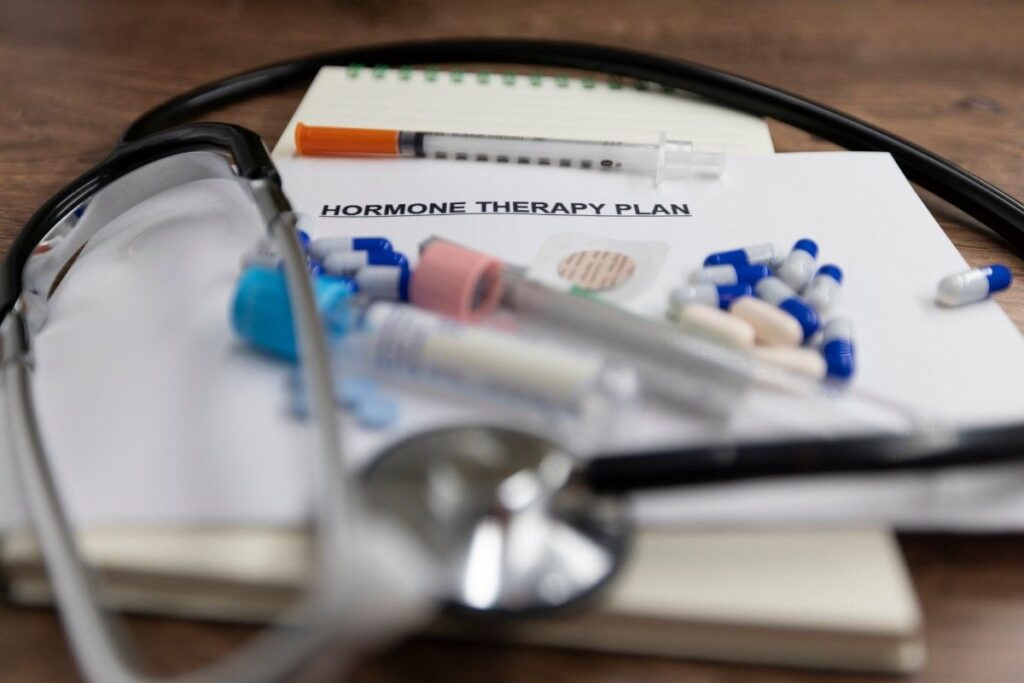
It would seem that if a loss of estrogen is the problem, replacing it would be the solution. In reality, it’s not that straightforward. There are two types of hormone replacement therapy (HRT) after menopause. Estrogen therapy involves only estrogen, and in combined hormone therapy, women take estrogen plus progestin. This is typically used for women who still have a uterus, because progestin reduces the risk of uterine cancer. HRT relieves many of the symptoms of menopause, and it would seem like replacing the missing estrogen would restore protective benefits to the cardiovascular system, but the reality is not that straightforward.
Estrogen Therapy, Heart Disease, and Vascular Risks
The truth about estrogen therapy is a bit confusing. For women who start HRT within 10 years of starting menopause, the risk of cardiovascular disease is diminished. However, hormone replacement therapy can also increase the risk of stroke. If taken orally, HRT also carries a risk of blood clots. It is important to proceed with caution, working closely with a physician.
Potential Hormone Replacement Therapy Benefits —and Who Should Be Cautious
HRT is definitely a topic to discuss with a medical professional, and it’s certainly not for every woman. For those who have had breast or uterine cancer, a history of blood clots or cardiovascular disease, or unexplained uterine bleeding, the risks probably outweigh the benefits. For a person without those risk factors, it’s a good way to alleviate symptoms like hot flashes, overactive blader, night sweats, and brain fog. It can also help protect against osteoporosis as a woman ages, and for some women, it can lower cardiovascular risks. In the future, targeted hormone therapy may be available to treat each woman in the way that is best for her, but for now, discussing it with a doctor is the best option. Lifestyle modifications, including changes to diet and exercise, may be more effective, without carrying the risks of HRT.
Let ReVaMP Heart & Vascular Institute Protect Your Cardiovascular Health in Menopause
When you need a cardiologist up to date on the latest innovations in cardiovascular care at all stages of life, you need ReVaMP Heart & Vascular Institute. Our dedicated physicians specialize in treating a wide range of cardiovascular conditions, with leading-edge technologies, innovative procedures, and a patient-centered approach. Since 2021, we have been serving patients within the Philadelphia and Southern NJ regions, focusing on preventative and minimally invasive care while providing coronary, structural, peripheral arterial, and cardiac interventions, in order to renew our patients’ health and well-being. Using a tailored approach, we take the time to understand each patient, in order to craft a treatment plan that meets the patient’s unique needs. For more information about our modern, patient-focused cardiovascular care, contact us now.