
The Science of Smart Wearables for Blood Pressure Monitoring
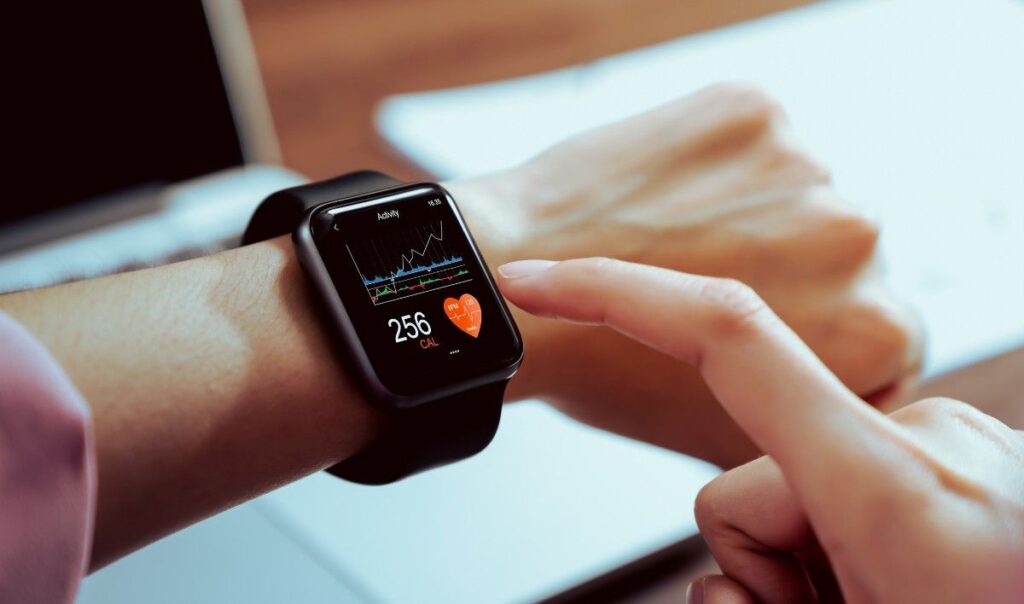
The Science of Smart Wearables for Vascular Health
Cardiovascular disease (CVD) is the leading cause of death globally, so researchers are continually seeking new ways to effectively address cardiovascular health. Now, interest has turned to new digital health technology, including wearable devices. A recent European study of both mobile health apps and wearables determined that wearable tech provides strong information that is evidence-based and backed by medical certification.
How Do Smart Wearables Work? Can We Use Fitness Trackers for Cardiovascular Care?
Because most smart wearables track heart rate variability, wearables give users an avenue for proactive self-care. Between armbands, wristwatches, and rings, it’s estimated that one third of all adults in the United States have utilized a smart tracker at some point. But are they really effective at tracking cardiovascular information? In many cases, yes. Using biometric and motion sensors, they collect data that can help give you a better understanding of your cardiac health.
Mobile Vascular Health Devices: Key Metrics that Wearables Can Track
Though they’re not a replacement for cardiac care, mobile health devices can track several health metrics. These include heart rate and heart rate variability (HRV), blood oxygen levels, physical activity, and sleep patterns. Some mobile health devices can also use ECG technology to identify aerial fibrillation (AFib). In one study of 187,000 users, the wearables identified AFib in 262 users, and follow up care confirmed it in 227 of those 262 users. So, these devices are not perfect, but they do have a fairly high degree of accuracy. There are some gaps in what they can do, and many wearables do not sufficiently address women’s cardiovascular health, which presents differently than men’s. Wearables could be improved by being designed with more cognizance of women’s unique symptoms during different life stages, including pregnancy and menopause.
What Wearables Can (and Cannot) Tell Us About Blood Vessels
Wearables can give us a good estimate of heart rate variability, blood oxygen, and can help identify AFib. When it comes to blood pressure readings, however, they’re not quite where they need to be. They’re not as accurate as blood pressure cuffs, so if a wearable is reporting high blood pressure, it’s helpful to check it against a reading from a standard blood pressure cuff. Wearables will continue to evolve, of course, and MIT is currently working on wearables so precise to even track individual cells in the bloodstream.
Role of Wearable Blood Pressure Monitors in Preventive Vascular Care
Many wearables are equipped with the capability for clinical integration, so that providers can have access to their patients’ data. However, they are lacking features like appointment scheduling and e-prescription capabilities. Improving these devices would make them better able to fit into existing systems for electronic health records, and this would improve the workflow efficiency of medical professionals. Still, even with their flaws, these devices allow cardiologists data insights that leads to earlier cardiovascular detection and intervention, and offer an opportunity for patients to proactively track their own health while working with their cardiologists.
Talk to ReVaMP Heart and Vascular Institute about Wearable ECG Devices and More
If it’s at the cusp of cardiovascular care, ReVaMP Heart & Vascular Institute is on top of it. We pride ourselves on offering advanced care options, including the use of highly accurate diagnostic tools like wearable ECG devices. Our dedicated physicians specialize in treating a wide range of cardiovascular conditions, with leading-edge technologies, innovative procedures, and a patient-centered approach. Since 2021, we have been serving patients within the Philadelphia and Southern NJ regions, treating a wide range of cardiovascular conditions, with a focus on preventative and minimally invasive care. We provide coronary, structural, peripheral arterial, and venous interventions, in order to enhance our patients’ quality of life and renew their health and well-being. Using a tailored approach, we take the time to understand each patient, in order to craft a treatment plan that meets the patient’s unique needs. For more information about our modern, patient-focused cardiovascular care, contact us through our website.

The health risks of a high sugar diet are well-established. Additionally, there is extensive research to indicate that a diet with added sugars…

The Use of Predictive AI in Cardiovascular Risk Assessment
AI is undeniably growing in usage, and there are many ways in which it is reshaping the…